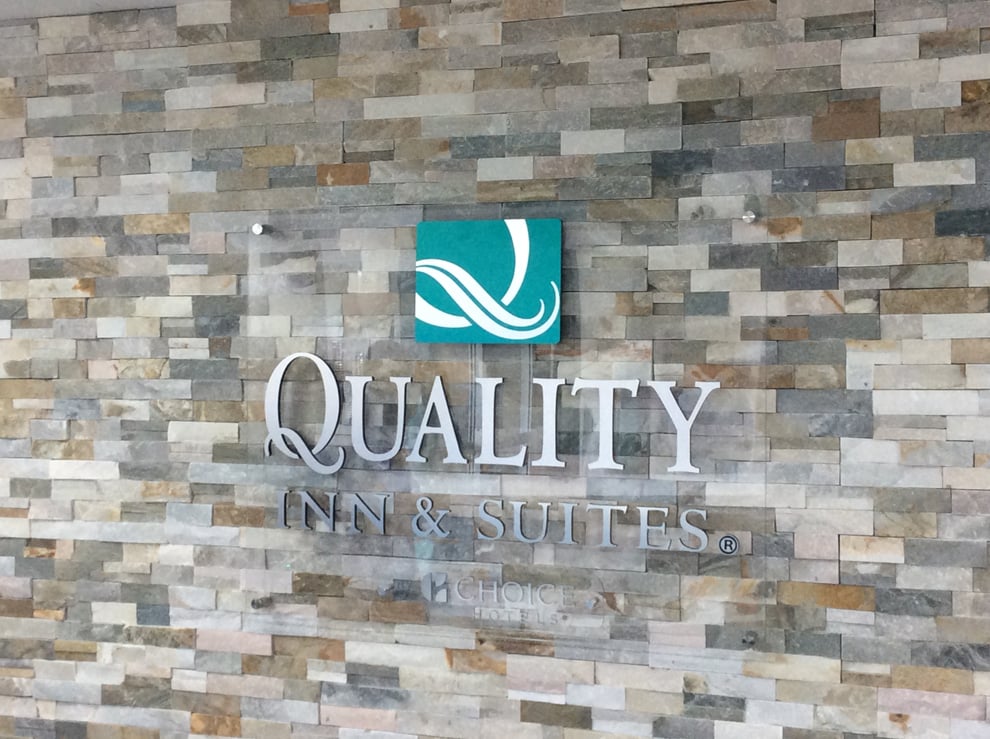
In today’s competitive business landscape, first impressions are everything. For companies looking to make a strong statement, interior and exterior signage plays a pivotal role in shaping how clients, partners, and employees perceive a brand. While many businesses may attempt to install signs themselves or rely on untrained staff, the advantages of professional sign installation in Richmond VA are substantial, especially when it comes to branding workplace interiors and offices. Heritage Signs & Displays emphasizes the value of expert sign installation to ensure that businesses leave a lasting impression.
The Importance of Quality Signage for Offices
Signage is more than just a decorative element; it is an essential branding tool. Whether it’s an office lobby, a conference room, or a hallway, professionally installed signs communicate a company’s identity, mission, and attention to detail. High-quality signs serve multiple purposes:
Brand Identity: Signs reflect the company’s personality, professionalism, and commitment to quality.
Wayfinding: Clear directional and informational signs enhance the flow of office spaces, improving the experience for employees and visitors.
Consistency: Uniform signage creates cohesion across multiple office locations and maintains a professional image.
However, even the most beautifully designed sign can fall short if it’s installed incorrectly. This is where professional expertise becomes crucial.
Why Professional Sign Installation Matters
When businesses choose Sign Installation Richmond VA, they are investing in more than just hanging a sign. Professional installers bring a combination of skill, experience, and specialized tools to the project, ensuring every sign is displayed at its best.
Precision and Safety
Incorrect installation can compromise both aesthetics and safety. Professionals ensure signs are mounted securely, avoiding risks of falling objects, property damage, or injuries. This is especially important for large lobby signs, wall-mounted displays, or dimensional lettering that can be heavy or fragile.
Optimized Visibility
A sign’s placement directly affects how effectively it communicates a brand’s message. Professional installers assess lighting, viewing angles, and traffic patterns to maximize visibility and impact. A well-placed sign guides visitors seamlessly while reinforcing brand recognition.
Longevity and Durability
Signs are an investment. Poor installation can lead to warping, premature wear, or detachment. Expert installers use appropriate mounting methods and materials to ensure that signage remains durable and visually appealing for years.
Compliance with Regulations
Certain types of signage may require adherence to local building codes or safety regulations. Professional installers are familiar with these rules and ensure compliance, protecting businesses from potential fines or costly adjustments.
Seamless Integration with Office Design
Modern offices often have complex interior designs. Professional installation ensures that signs complement the space’s aesthetics, whether it’s a minimalist lobby, a tech-focused workspace, or a creative office environment.
Types of Office Signage That Benefit from Professional Installation
In Richmond, VA, offices can utilize a variety of signs to elevate their brand image. Some of the most common types that require professional installation include:
Lobby Signs: The centerpiece of any office, lobby signs set the tone for visitors and clients. From illuminated acrylic signs to brushed metal logos, precise installation is critical for a polished look.
Directional and Wayfinding Signs: Offices with multiple floors or departments rely on clear wayfinding signage. Professional installation ensures that signs are positioned where they are needed most and meet accessibility standards.
Wall Graphics and Murals: Custom graphics can transform blank walls into vibrant branding statements. Proper installation prevents air bubbles, peeling, or misalignment.
Dimensional Letters: 3D lettering adds depth and sophistication to office branding. These require exact measurements and mounting techniques to achieve a premium appearance.
Heritage Signs & Displays: A Trusted Partner
Businesses in Richmond seeking reliable Sign Installation Richmond VA services can turn to Heritage Signs & Displays, a company known for its commitment to quality and professionalism. With years of experience installing signs for office interiors, corporate lobbies, and commercial spaces, Heritage Signs & Displays provides a comprehensive solution from design to installation.
Their team works closely with clients to understand brand goals and ensures that every sign installation reflects the company’s identity. Whether it’s custom acrylic signs, wall graphics, or directional signage, Heritage Signs & Displays delivers precise, efficient, and aesthetically pleasing results.
Enhancing Workplace Branding Through Signs
Professional sign installation directly impacts workplace branding. Strategically placed signage can:
-
Reinforce company culture and values through motivational quotes or branded visuals.
-
Improve employee orientation and daily navigation in large office environments.
-
Create an inviting atmosphere for clients, partners, and visitors.
-
Support marketing efforts by maintaining a professional, polished office appearance.
By investing in professional installation, businesses transform their workspaces into cohesive, branded environments that leave a lasting impression.
Choosing the Right Sign Installation Service in Richmond, VA
When selecting a sign installation company, consider the following:
Experience and Portfolio: Review past projects to assess the quality and range of installations.
Certifications and Compliance Knowledge: Ensure the team is familiar with local codes and ADA requirements.
Customer Service: A reliable company communicates clearly and provides post-installation support.
Turnkey Services: Companies that handle both fabrication and installation reduce delays and ensure consistency.
For more information on professional services, businesses can click here to explore options provided by Heritage Signs & Displays.
Steps in Professional Sign Installation
Professional sign installation typically follows a structured process:
Site Assessment: Installers visit the office to evaluate placement, lighting, and structural requirements.
Planning and Measurement: Precise measurements ensure proper alignment and visibility.
Preparation of Mounting Surface: Walls or other surfaces are prepared to prevent damage and ensure adhesion.
Installation: Signs are securely mounted using industry-standard hardware and techniques.
Final Inspection: Installers check for level placement, alignment, and overall aesthetics.
By following these steps, businesses avoid common pitfalls and achieve a flawless installation.
Conclusion
For offices and workplaces in Richmond, VA, professional sign installation is not just a convenience—it’s a strategic investment in brand identity, safety, and workplace aesthetics. From enhancing lobby areas to ensuring ADA compliance, expert installers deliver precise, durable, and visually striking signage that elevates any business environment.
Choosing Sign Installation Richmond VA services from Heritage Signs & Displays guarantees that every sign is mounted with professionalism and care. Whether it’s custom wall graphics, lobby signs, or wayfinding solutions, professional installation ensures your investment reflects your brand’s values and leaves a positive impression.
Businesses looking to enhance their office interiors can explore Sign Installation Richmond VA services to get started on transforming their workspace into a cohesive, branded environment.
With professional expertise, attention to detail, and a focus on long-lasting results, Heritage Signs & Displays makes office signage an asset, not just an accessory. Choosing professional installation is a decision that pays dividends in employee satisfaction, client perception, and overall brand impact.