

Yndy Designs Family & Relationship The Impact of Charity: Building Stronger Communities and Inspiring Change

The Impact of Charity: Building Stronger Communities and Inspiring Change

Charity is an age-old concept that transcends borders, cultures, and time. It is rooted in human compassion and the innate desire to help others who are less fortunate or in need. While the act of giving is as old as civilization itself, charity in the modern world has grown to become not just a moral obligation, but a driving force for change. In this article, we explore the significance of charity, how it impacts both individuals and communities, and the profound difference it can make in creating a more just and compassionate society.

Understanding Charity: More Than Just Giving

Charity, in its simplest form, refers to the voluntary act of giving to others, especially those in need, without expecting anything in return. It can take many forms—donating money, offering time through volunteer work, providing goods, or even giving emotional and social support. While charity often focuses on addressing immediate needs like hunger, shelter, or healthcare, its broader impact goes beyond short-term relief.

Today, charity is increasingly being recognized as a tool for long-term change. Modern charities work not only to alleviate suffering but also to combat the root causes of social issues. Whether it’s fighting systemic poverty, addressing inequality, or providing educational opportunities, charity is seen as a powerful means of addressing societal problems and making a sustainable impact.

The Power of Collective Giving

One of the most beautiful aspects of charity is the power of collective action. When individuals come together to support a cause, their combined efforts can create change far beyond what any single person can achieve. In recent years, we have seen the rise of crowdfunding platforms that enable people to come together to support causes they care about. Whether it’s funding medical treatments, building schools in underprivileged areas, or supporting disaster relief efforts, these platforms have made it easier than ever for people to unite in the pursuit of social good.

Collective charity can also take the form of local volunteerism. When communities come together to tackle problems such as homelessness, food insecurity, or environmental degradation, the collective strength of many hands working toward a shared goal can have a profound effect. The creation of local charity events, such as food drives or clothing donations, helps build a sense of unity, reminding people that they are part of a larger effort to make the world a better place.

Charity’s Role in Strengthening Communities

At its heart, charity strengthens the fabric of communities. A community that is actively engaged in charity tends to be more resilient, compassionate, and supportive of its members. Charitable activities foster a sense of belonging and encourage people to take responsibility for one another’s well-being. They help create environments where people are not just focused on their own needs, but also look out for their neighbors.

Charity also creates opportunities for people to connect with others outside of their social circles. When individuals from different backgrounds come together to work on a shared cause, they can break down barriers of misunderstanding, prejudice, and division. Whether through volunteer work, community events, or charitable organizations, charity fosters relationships that go beyond surface-level interactions, creating a more cohesive and understanding community.

Moreover, charity plays an essential role in providing social safety nets for those who are marginalized or experiencing difficult circumstances. For example, local charities can offer food assistance, job training, and educational programs to help individuals regain their independence and improve their lives. When people in the community are supported in such ways, they are more likely to contribute positively to society, creating a cycle of goodwill and mutual support.

The Transformative Effects of Charity on Donors

While charity is often seen as a means of helping those in need, it also has profound benefits for the donors themselves. Studies consistently show that engaging in charitable acts increases feelings of happiness and well-being. This phenomenon, known as the "helper’s high," occurs because acts of kindness trigger the release of dopamine, the brain’s "feel-good" chemical. This emotional reward makes charitable acts incredibly fulfilling and can lead to a sense of purpose and greater life satisfaction.

Furthermore, charity helps develop empathy by encouraging donors to step into the shoes of others and see the world through their eyes. Engaging with those who are struggling fosters a deeper understanding of human suffering, prompting donors to become more compassionate and open-minded. It also nurtures a sense of shared humanity, reminding us all that we are interconnected and that our actions, no matter how small, can make a difference.

Charity and Social Change: From Charity to Justice

Charity’s role in creating positive change has expanded in recent years, evolving from short-term relief to long-term advocacy for justice. While charities still provide crucial support for immediate needs, there is a growing emphasis on tackling the underlying issues that contribute to inequality and injustice.

For example, organizations focused on education work not just to provide scholarships but to change educational policies that can provide long-term solutions for children in underserved areas. Charities working on issues of racial or gender equality aim to create structural changes in society that will allow for greater opportunities for all, regardless of background. These efforts go beyond charity to challenge the systems that perpetuate inequality.

In the realm of environmentalism, charities are playing a critical role in advocating for policies that address climate change and environmental degradation. By raising awareness, funding research, and pushing for legislative change, environmental charities help move us toward a more sustainable and equitable future for all.

This shift from charity to justice calls on people to not only donate and volunteer but also to become advocates for change. By supporting organizations that focus on long-term solutions and systemic change, donors are helping to build a more just society where everyone has equal opportunities to thrive.

The Challenges of Charity and How to Overcome Them

While charity is a force for good, it is not without its challenges. One of the main concerns is ensuring that donations are used effectively and reach those who need them most. The rise of online donations and crowdfunding has made it easier to give, but it has also raised questions about transparency and accountability. Donors must be cautious and research the organizations they support to ensure their contributions are being used appropriately.

Another challenge is the potential for charity to be seen as a temporary fix rather than a solution to deeper systemic issues. While charity plays an essential role in providing immediate relief, it should be paired with efforts to address the root causes of poverty, inequality, and injustice. Charitable organizations must balance their focus on short-term aid with long-term strategies that promote social change and empower individuals to escape cycles of poverty.

The Future of Charity: Innovation and Global Collaboration

The future of charity looks bright, with many innovative ideas shaping the way we give and receive. Technology continues to play a transformative role in making charity more accessible and impactful. Artificial intelligence and data analytics are helping charities identify the most pressing needs and allocate resources more efficiently. Digital platforms allow individuals to donate effortlessly, while social media helps spread awareness about global causes, raising support on a scale that was unimaginable a few decades ago.

Furthermore, the future of 慈善機構 will increasingly be defined by global collaboration. No longer confined to local efforts, charitable organizations are working together across borders to tackle issues like poverty, health care, and environmental conservation. With interconnectedness at an all-time high, charity is evolving into a worldwide movement for social change.

Conclusion: Charity’s Enduring Legacy

Charity is more than an act of giving; it is a powerful force that shapes our world for the better. It builds stronger communities, transforms lives, and inspires people to create lasting change. Through charity, we see the best of humanity—the willingness to extend a hand to those in need and to fight for justice and equality for all. Whether through small acts of kindness or large-scale initiatives, charity is an enduring legacy of compassion, and its power to effect change will continue to inspire generations to come.

Leave a Reply

Your email address will not be published. Required fields are marked *

Related Post

Toys: The Bridge Between Imagination and RealityToys: The Bridge Between Imagination and Reality

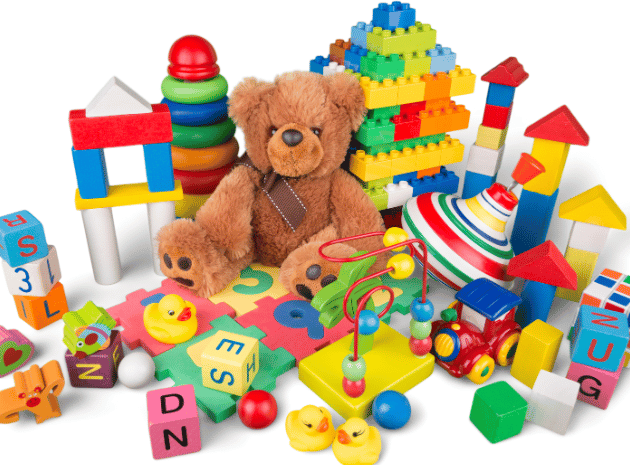
Toys have been a fundamental part of childhood for centuries. From the simplest handmade items to the high-tech gadgets of today, marvel 玩具 have evolved to meet both the needs of children and the cultural trends of their times. While they are often seen merely as instruments of fun and entertainment, toys play a far more significant role in the development of young minds, fostering creativity, problem-solving, social skills, and even emotional growth. But what makes toys so unique? What do they teach us, and how do they serve as a bridge between imagination and reality?

The Magic of Imagination

At the heart of every toy lies a world of imagination. Children, with their boundless creativity, use toys as vessels to transport themselves to different worlds. Whether it’s a simple dollhouse, a set of action figures, or a spaceship, toys serve as tools for children to act out stories, explore different scenarios, and invent new ones.

Imaginative play allows children to experiment with roles, relationships, and social norms. A child playing with dolls might become a parent or a doctor, while action figures may engage in complex battles or adventures. Through these stories, children develop empathy, understand different perspectives, and begin to navigate their emotional worlds. The act of creating narratives around toys also stimulates cognitive growth, enabling children to think critically, solve problems, and understand cause and effect.

Toys as a Learning Tool

Toys have always had an educational component, whether intentionally or by design. In early childhood, toys like stacking rings, shape sorters, and building blocks help children with basic concepts of shape, color, size, and balance. These seemingly simple objects are often the first introduction to fundamental learning skills. As children grow, toys begin to challenge them further with more complex problem-solving opportunities, such as puzzles, board games, or even coding kits.

The educational aspect of toys is not limited to logic and spatial reasoning. Toys like musical instruments or art sets can introduce children to creativity, rhythm, and expression. By playing with toys that allow them to create, children develop confidence and an understanding of their own abilities. Play with educational toys can be a stepping stone toward later achievements in both academics and personal growth.

Social Skills and Connection

Toys are also important for helping children build and strengthen their social skills. When children engage in play with others, they learn how to cooperate, negotiate, and share. Playtime with toys fosters communication and emotional awareness, helping children understand feelings like joy, frustration, and empathy. The dynamic of play between peers can also teach problem-solving in a social context—how to handle disagreements, share space, or even collaborate toward a common goal.

In fact, many toys are designed with group play in mind. Board games, card games, or toys that require teamwork (like LEGO sets or sports equipment) encourage children to interact and learn the dynamics of cooperation. Social play through toys also helps children develop leadership skills, patience, and the ability to understand social cues—skills that will benefit them throughout life.

The Influence of Technology

As technology has advanced, so too has the world of toys. Electronic toys, digital games, and interactive robots have become a prominent part of the toy industry. Toys like tablets, smart dolls, and robotic pets integrate technology into the play experience in ways that were unimaginable just a few decades ago. These toys can teach children everything from basic mathematics to advanced coding, offering an interactive and immersive experience.

While many parents have concerns about screen time, the educational potential of tech-based toys cannot be ignored. Smart toys can assist with learning in unique ways, offering feedback, teaching new concepts, and providing opportunities for children to experiment in ways that traditional toys cannot. The combination of play and technology offers exciting possibilities for personalized learning experiences, ensuring that children stay engaged and motivated.

However, it is important for parents and caregivers to strike a balance between technology-based toys and traditional ones. Both types of toys can coexist to provide a holistic learning experience that fosters a wide range of developmental skills.

The Evolution of Toy Design: Crafting Experience

Historically, toys were simple, often made from natural materials like wood, clay, and fabric. Today’s toys are highly sophisticated, often incorporating various forms of art, engineering, and even psychology. The design process of a toy is as much about creating an enjoyable experience as it is about creating a learning opportunity. Companies now hire child development experts to help ensure that their toys contribute positively to a child’s growth.

This evolution is seen in how toys cater to different developmental stages. For example, toys for infants are designed with sensory exploration in mind, featuring bright colors, soft textures, and sounds that help babies understand their environment. Meanwhile, toys for older children are often complex, engaging multiple senses to stimulate thought, coordination, and dexterity. Many modern toys now feature elements like interactivity, customization, and storytelling, allowing children to personalize their playtime experience.

The Growing Focus on Diversity and Representation

A significant shift in the toy industry in recent years has been the increased focus on diversity and inclusivity. Gone are the days when toys predominantly featured stereotypical characters. Today, there is a growing movement toward making toys that reflect the diversity of the real world, from dolls and action figures that represent various ethnicities to toys that reflect different abilities, genders, and family structures.

Representation matters—children need to see themselves reflected in the toys they play with. When children engage with toys that look like them, they develop a sense of belonging and self-worth. Moreover, these toys can teach them to appreciate diversity and accept others' differences, building empathy and understanding from an early age.

Sustainability and the Future of Toys

As awareness of environmental issues continues to grow, there has been a strong push for more sustainable toy options. Parents are becoming more mindful of the materials used in toys, as well as the long-term impact of plastic waste. Eco-friendly toys made from renewable resources, recycled materials, and biodegradable components are gaining popularity.

The push toward sustainability also encourages manufacturers to think more critically about the lifecycle of toys, promoting practices that ensure toys are not just wasteful products, but long-lasting, impactful items that contribute to the well-being of children and the planet.

Conclusion

Toys are far more than just playthings. They are windows into a child’s world, offering a means of understanding themselves, their emotions, and their surroundings. They foster creativity, learning, social skills, and cognitive growth in ways that are foundational to a child’s development. With the ongoing evolution of toys, from traditional wooden blocks to smart, interactive robots, they continue to serve as an essential bridge between a child’s imagination and the realities they will face in the future. The world of toys remains an ever-expanding realm of discovery, joy, and endless possibilities.

婚姻介紹所和交友平台的差異解析婚姻介紹所和交友平台的差異解析

在香港,隨著科技的發展,越來越多人選擇透過交友應用程式來擴展社交圈子。無論是尋找愛情、結交朋友還是尋找共同興趣的人,這些應用程式都提供了一個方便的平台。隨著市面上的選擇越來越多,選擇適合的交友App變得有些困難。因此,了解不同交友App的功能和特色,可以幫助使用者作出更明智的選擇。

首先,Tinder 是香港最受歡迎的交友App之一。其簡單的滑動操作讓人容易上手。用戶只需滑動左邊或右邊,即可表示對另一位用戶的興趣或無感。Tinder的優勢在於用戶群龐大,尤其是在年輕人中間,這意味著你能夠接觸到更多不同背景的人。雖然大部分的配對功能免費,但如果用戶希望使用更多的進階功能,比如超級喜歡、位置調整等,則需要訂閱Tinder Plus或Tinder Gold。

另一個在香港非常受歡迎的App是Bumble。與Tinder的操作方式類似,Bumble也採用左右滑動的方式進行配對。然而,Bumble與Tinder的最大區別在於,它賦予女性在異性配對中主導權。當男女雙方配對成功時,只有女性能發送第一條訊息,這樣的設計避免了男性過度主動,讓交友過程變得更加平等和尊重。Bumble除了交友功能外,還提供了商業配對和尋找朋友的功能,讓它成為一個多元化的交友平台。

如果你更偏向尋找穩定的長期關係,OkCupid 可能會是一個不錯的選擇。這款App以其深入的匹配算法聞名,根據用戶回答的問題來評估相容性,並推薦最合適的配對對象。OkCupid的優勢在於其強調真實的自我介紹和深入的溝通,這讓它在尋求長期關係的用戶中獲得了不小的關注。

至於香港的本地交友App,Soulmate 也是一個相當有特色的選擇。這款App專注於為用戶提供更有深度的互動和討論,強調以興趣和共同話題為基礎的配對。不同於其他交友平台,Soulmate更多地關注的是人際間的精神連接,而非單純的外貌或即時吸引力,因此,它特別吸引那些尋求心靈契合的用戶。

除此之外,WeChat 和 Facebook也常被用來建立和維繫社交網絡。雖然它們本身並不是交友App,但很多人利用這些平台進行交友,因為它們有著巨大的用戶基礎和各種功能。特別是在香港,許多人會透過這些平台發起群聊,分享生活點滴,甚至有些人會在這些社交媒體上尋找 徵婚 對象。

總的來看,不同的交友App根據使用者的需求提供了多樣化的選擇。無論你是在尋找輕鬆的約會、建立深厚友誼還是尋求長期伴侶,每款App都有其特點,關鍵在於了解自己所需的交友方式,選擇最符合自己需求的平台。隨著時間的推移,這些交友應用程式的功能和受眾群體都在不斷演變,讓香港的交友文化也逐步多元化。

交友應用帶來的戀愛新可能交友應用帶來的戀愛新可能

當代社會中,隨著科技的進步與智慧型手機的普及,人們建立人際關係的方式也在悄然改變。交友應用的興起不僅改變了我們認識朋友的方式,也為戀愛關係帶來了全新的可能性。從傳統面對面的相識到現在只需滑動螢幕便能與世界各地的人連結,戀愛的起點變得更輕鬆、更多元,也更符合現代人快節奏的生活型態。 徵婚.

交友應用的最大優勢之一是突破了時間與空間的限制。無論是因為工作繁忙、社交圈有限,還是性格內向、不善主動的人,透過這些平台都能找到相似價值觀或興趣的人。有些人可能在現實生活中很難遇到志同道合的伴侶,但透過演算法的媒合與配對機制,他們更容易接觸到潛在的戀愛對象。這種媒合的效率大大提升了戀愛關係的可能性,也讓「對的人」不再那麼難遇見。

此外,交友應用也讓人們能在進入關係前有更多選擇與觀察的空間。透過聊天互動、分享生活、交換想法,人們能在更了解彼此的情況下決定是否進一步發展關係。這種在安全距離內逐步建立信任與連結的方式,對某些人來說,比起一見鍾情或傳統介紹來得更加自在與踏實。也有許多情侶表示,透過交友應用認識對方,反而比傳統方式建立的關係更深入、更穩定,因為兩人從一開始就有意識地在尋找關係,而非偶然的邂逅。

當然,交友應用也並非毫無挑戰。虛假資訊、過度包裝的自我介紹、曖昧不明的關係,甚至是遇到騙局的風險,都是使用者在探索愛情時可能會面對的問題。然而,這些風險的存在並不代表這些平台不值得信任,而是提醒我們在使用科技拓展情感連結的同時,也需保持警覺與理性。

總的來說,交友應用為現代戀愛開啟了新的可能性。它不只是為了讓人「找到人」,更是讓人學習如何在數位世界中誠實地表達自我、理解他人。當人們以開放的心態去面對這種新的戀愛方式,不僅有機會遇見愛情,甚至也可能透過這段旅程,更加認識自己。戀愛的樣貌雖然改變了,但人與人之間追求真誠連結的渴望,始終未變。

Bedpage Listing Categories ExplainedBedpage Listing Categories Explained

If you are new to online classified websites, understanding categories can feel confusing at first. Bedpage is one of the popular platforms where people post ads for buying, selling, and offering services. To use it well, you need to understand how its listing categories work.

In this guide, we will explain Bedpage listing categories in simple words so you can easily choose the right one for your ad.

What Are Bedpage Listing Categories?

Bedpage listing categories are sections where ads are placed based on their type. These categories help users find what they are looking for quickly.

For example, if someone wants to buy a used phone, they will go to the “For Sale” category. If someone is looking for a job, they will check the “Jobs” section.

Categories make everything organized and easy to browse.

Why Categories Matter

Choosing the correct category is very important. It helps your ad reach the right audience.

Here are some key reasons why categories matter:

  • Your ad becomes easier to find
  • You attract the right people
  • You get better responses
  • You avoid confusion or rejection

If you post in the wrong category, your ad may not perform well.

Main Bedpage Categories Explained

Let’s look at the main categories on Bedpage and what they are used for.

1. For Sale

The “For Sale” category is one of the most popular sections.

You can post ads here if you want to sell items like:

  • Mobile phones
  • Furniture
  • Cars and bikes
  • Electronics
  • Clothes

If you have something to sell, this is the right place.

2. Vehicles

This category is specially made for buying and selling vehicles.

You can list:

  • Cars
  • Motorcycles
  • Trucks
  • Auto parts

People who are searching for vehicles often go directly to this section.

3. Real Estate

The “Real Estate” category is used for property listings.

You can post ads for:

  • Houses for sale
  • Apartments for rent
  • Commercial properties
  • Land plots

This category is useful for both buyers and renters.

4. Jobs

If you are offering a job or looking for work, this category is for you.

It includes:

  • Full-time jobs
  • Part-time jobs
  • Freelance work
  • Local jobs

Employers and job seekers both use this section.

5. Services

The “Services” category is for people offering different types of services.

Some examples include:

  • Home repair
  • Cleaning services
  • Moving services
  • IT support
  • Beauty services

If you provide any service, you can promote it here.

6. Community

This category is more social and interactive.

It includes:

  • Events
  • Activities
  • Groups
  • Classes

People use this section to connect with others in their area.

7. Pets

If you love animals, this category will interest you.

You can post ads for:

  • Selling pets
  • Adopting animals
  • Pet supplies
  • Pet services

This section is helpful for pet owners and buyers.

8. Housing

The “Housing” category is similar to real estate but more focused on living spaces.

You can find:

  • Rooms for rent
  • Shared apartments
  • Temporary housing

It is perfect for people looking for a place to stay.

9. Gigs

The “Gigs” category is for short-term or quick jobs.

Examples include:

  • One-day work
  • Small projects
  • Quick tasks

It is ideal for people who want to earn money fast.

How to Choose the Right Category

Choosing the correct category is simple if you follow these tips:

Understand Your Ad Purpose

Ask yourself: What am I offering or looking for?

  • Selling an item → For Sale
  • Offering a service → Services
  • Hiring someone → Jobs

Think Like a Buyer

Imagine where people will search for your ad. This will help you pick the right category.

Avoid Misleading Categories

Do not post in the wrong section just to get more views. This can reduce trust and may lead to removal of your ad.

Tips to Improve Your Listing

Once you choose the right category, you should also focus on making your ad better.

Use a Clear Title

Write a simple and direct title. For example:

  • “Used iPhone 11 for Sale”
  • “House for Rent in City Center”

Add Details

Explain your product or service clearly. Include:

  • Price
  • Condition
  • Location
  • Contact details

Use Good Images

Images make your ad more attractive and increase chances of response.

Stay Honest

Always provide correct information. This builds trust with buyers.

Common Mistakes to Avoid

Many users make simple mistakes when posting ads.

Here are some things to avoid:

  • Posting in the wrong category
  • Writing unclear titles
  • Adding too little information
  • Using fake details

Avoiding these mistakes will improve your results.

How Bedpage Categories Help Users

Categories are not just helpful for sellers. They also help buyers.

Users can:

  • Find items quickly
  • Compare options easily
  • Save time
  • Contact sellers directly

This makes the whole experience smooth and simple.

Growing Your Online Presence

If you regularly post ads, understanding categories can help you grow faster. It increases your visibility and improves your chances of success.

For more helpful tips and useful resources, you can also check out bedpersonal to improve your online listing experience.

Conclusion

Bedpage listing categories are the backbone of the platform. They help organize ads and make it easier for users to find what they need.

By choosing the right category, writing clear details, and avoiding common mistakes, you can get better results from your listings.

Take your time to understand each category and use it wisely. This small step can make a big difference in your success.

The Best Sex Toys for Solo PleasureThe Best Sex Toys for Solo Pleasure

products 騎乗位.


性玩具は近年、タブー視されていた過去から脱却し、多様な用途や目的を持つアイテムとして  されています。本記事では、性玩具の歴史、種類、選び方、そしてその心理的・身体的な利点について深掘りしながら解説していきます。


性玩具の歴史と文化的背景

性玩具の起源は古代に遡ります。古代ギリシャやローマ、中国などの文明では、性的な満足を目的とした道具が存在していた記録があります。例えば、石や木で作られた簡単な形状のディルドが使用されていました。これらは主に上流階級や宗教的儀式に用いられていましたが、時代が進むにつれて一般市民にも広がりました。

20世紀に入ると、技術の進歩と社会の変化により、性玩具は多様化しました。特に、1960年代の性的解放運動やフェミニズムの台頭により、女性が性を自分自身のために楽しむ権利が認められるようになり、バイブレーターやラブエッグなどの商品が急速に普及しました。


性玩具の種類と用途

性玩具にはさまざまな種類があり、目的や使用感に応じて選べるのが特徴です。以下は主な種類とその特徴です。

  1. ディルド
    • 自然な形状で挿入を目的とした製品。素材はシリコンやガラスなど多岐にわたる。
    • 初心者から上級者まで使いやすい。
  2. バイブレーター
    • 振動機能を備えたアイテムで、外部や内部の刺激を提供。
    • 音が静かなものや防水仕様など、多機能な商品も多い。
  3. ラブエッグ
    • コンパクトで持ち運び可能な小型の振動アイテム。パートナーとのプレイにも最適。
  4. アナルプラグ
    • 初心者用から上級者向けまで、さまざまなサイズや形状がある。
    • 素材やデザインに工夫が施され、快適性を追求。
  5. SMアイテム
    • 手錠、ムチ、アイマスクなど、より刺激的なプレイを楽しむためのアイテム。


性玩具の選び方:初心者向けのガイド

性玩具を初めて購入する際には、以下のポイントを考慮すると良いでしょう。

  1. 目的を明確にする
    • 自分がどのような感覚を求めているのかを理解することが重要。
  2. 素材の安全性
    • シリコンや医療グレードの素材は、アレルギーや肌トラブルを防ぐために推奨されます。
  3. 使いやすさ
    • 初心者はシンプルな操作が可能な商品を選ぶと良いでしょう。
  4. 静音性とデザイン
    • 音が気になる環境で使用する場合は、静音設計の商品を選ぶと安心です。
  5. レビューを確認
    • 他のユーザーの意見を参考にすると、自分に合った商品を見つけやすいです。


性玩具がもたらす心理的・身体的メリット

性玩具を使用することで得られる利点は多岐にわたります。

  1. ストレス解消
    • セクシュアルな満足感は、ストレスを軽減し、リラクゼーション効果をもたらします。
  2. 自己探索
    • 自分の体や好みをより深く理解することで、パートナーとのコミュニケーションも向上。
  3. 健康促進
    • 血行が良くなり、性機能の向上やホルモンバランスの調整に寄与します。
  4. パートナーシップの強化
    • 性玩具を使ったプレイは、パートナーとの関係を新たなレベルに引き上げるきっかけになります。


性玩具に関する社会的な変化

日本では、性玩具はまだタブー視されることもありますが、近年はオンラインショップや専門店の普及により、手軽に購入できる環境が整っています。また、若者世代を中心に性教育や性の健康に関する意識が高まり、性玩具をポジティブに捉える風潮が広がっています。

さらに、女性向けの性玩具ブランドが注目され、デザイン性や使いやすさに特化した商品が増加。性の多様性を尊重する動きの中で、LGBTQ+コミュニティ向けの商品も多く展開されています。


性玩具の未来

技術の進化により、性玩具業界は今後もさらなる発展が期待されています。AIやIoT技術を活用したスマート性玩具や、バーチャルリアリティ(VR)との連動型商品などが市場に登場しています。また、環境に配慮したエコフレンドリーな性玩具も注目されています。


まとめ

性玩具は、個人の満足を追求するだけでなく、身体的・心理的な健康にも寄与するツールです。選び方や使用方法を正しく理解することで、日常生活の質を向上させる一助となるでしょう。これからの時代、性玩具は単なる娯楽の枠を超え、性の健康と幸福を支える重要なアイテムとして位置づけられていくことでしょう。