
Yndy Designs Health & Fitness Precision Skincare Reinvented     How Hypo21 and Miracletox Create a New Gold Standard

Precision Skincare Reinvented     How Hypo21 and Miracletox Create a New Gold Standard

Skincare is moving into a new era—an era that values efficacy, gentleness, and minimalism. Gone are the days of heavy creams loaded with unnecessary fillers or aggressive actives that irritate more than they heal. At the forefront of this transformation are two breakthrough solutions: Hypo21 and Miracletox. While these products work very differently, they are deeply complementary in what they offer to consumers who are serious about high-performance skincare Ekseption skincare.

The Hypo21 Revolution: Strengthening the Skin’s Natural Defense

Hypo21 is centered around one powerful yet simple ingredient: hypochlorous acid (HOCl). This molecule is produced naturally by the human immune system to help fight infection and inflammation. In skincare, stabilized HOCl offers profound benefits. It cleanses, soothes, and protects the skin without damaging the barrier, making it ideal for people suffering from sensitivity, acne, rosacea, or post-procedure recovery.

Unlike alcohol-based sprays or harsh astringents, Hypo21 supports the skin’s microbiome and strengthens its resilience. With consistent use, users often report:

  • Reduced redness and swelling

  • Fewer breakouts

  • Enhanced healing of cuts, blemishes, or irritation

  • A visible calming of inflamed or reactive skin

What sets Hypo21 apart is its purity—free from alcohol, parabens, preservatives, and fragrances. It’s safe enough to use on children, sensitive eyes, and compromised skin.

Miracletox: Professional-Level Rejuvenation at Home

On the other side of the spectrum lies Miracletox, a luxury anti-aging skincare system designed to restructure and revitalize the skin from within. It’s most famous for its Ampoule Program, which uses a proprietary peptide complex and micro-needle technology to deliver deep penetration and noticeable lifting effects.

Miracletox is not just another peptide cream. It’s an integrated skin treatment system that mimics results typically seen only in aesthetic clinics. Through its high-performance formulas, users experience:

  • Improved skin elasticity and firmness

  • Reduction in fine lines and wrinkles

  • Brighter, more even-toned skin

  • Long-term hydration and plumping effects

It’s ideal for those looking to boost collagen production and reverse signs of aging without invasive procedures.

Why Hypo21 and Miracletox Work So Well Together

At first glance, a medical-grade skin mist and a high-tech anti-aging treatment may seem worlds apart. But together, they form a holistic system for clean, healthy, and age-defying skin. Here’s how:

  • Before using Miracletox, prep the skin with Hypo21 to ensure a clean, calm base free of pathogens.

  • After applying Miracletox Ampoule or Cream, mist with Hypo21 again to reduce any inflammation from micro-stimulation and lock in hydration.

This creates a “sandwich effect” where Hypo21 protects and enhances the performance of Miracletox, while Miracletox strengthens and firms the skin long-term. It’s a powerhouse pairing for anyone looking to age gracefully and gently.

Leave a Reply

Your email address will not be published. Required fields are marked *

Related Post

How To Fight Bed Bugs And Prevent Infestation?How To Fight Bed Bugs And Prevent Infestation?

Bedbugs (Cimex lectularius) belong to the flat bugs and are small, brown insects with the oval shape. The flat parasites nest in the sleeping-places of humans and animals and suck the blood of their hosts, whereby they can enlarge by a few millimeters.

Whether on vacation or at home, in the morning you are plagued by itchy pustules and bite marks, so it could be bed bug bites. The annoying parasites come with luggage from vacation trips to their homes or are brought into the apartment through antiques, second-hand furniture with upholstered elements or rugs. Fortunately, there are some ways to get rid of the insects. You can find out how to prevent, recognize and combat bed bugs on Thermaflow Heat.

Signs that you can have bedbugs

If you wake up with itchy skin areas that you did not have when you fell asleep, it is possible that you have bed bugs, especially if you recently bought some used furniture by the time the bites began. Other signs that you have bugs are:

  • Blood stains on your sheets or pillowcases
  • Dark or rusty stains from worm feces on sheets and mattresses, sheets and walls
  • Bug stains, egg shells or dandruff skins in areas where bugs hide
  • A strange, musty smell.

Bed Bug Bites: Symptoms

Usually, Bed bugs bites are found on the hands, shoulders, neck, legs, neck, and arms. Typically, the bites are grouped in a small area and can occur in a line or zigzag pattern or even a triangle. Bites usually look like small, flat or raised areas that can become inflamed, itchy and red. Bite reactions can sometimes take a few days.

Why are bed bugs in the house or in the apartment a problem?

The small insects have extremely unpleasant consequences for all inhabitants in their environment. They are attracted by body odor, body heat and the CO2 emissions of their hosts. The smell of dirty laundry lures you, so you should not leave your clothes on vacation on the floor. The parasites feed on blood and stab their victims. Since not every trick hits a blood vessel, bed bugs usually sting next to each other several times, so that whole "bug streets" can arise. The stitches cause unpleasant skin irritation, from itchy pustules to bloodshot wheals. In addition to humans, your pets can also be plagued by bed bugs.

Where do bed bugs hide? Where to look for them?

Usually, Bed bugs stay within 1 to 2 feet of where they would live and as they suck blood their victims during sleeping time, it is most common to have an infestation in the bedroom. Some of the most common places they are found are as follows:

  • Box spring
  • Lie
  • Headboard and / or bed frame
  • Walls
  • Bedside table / chests of drawers
  • Curtains
  • Under carpets and rugs
  • Coffee table

Fighting Bed Bugs In 7 Steps

Once the suspicion of bed bug infestation has been confirmed, the second phase begins: fighting bed bugs.

Anyone who does not know anything at all as a layman, has little time for a detailed search and implementation of recommended methods of control, as well as being financially secure, should definitely consider contacting a professional pest controller.

Fight Bed Bugs – Overview of Methods & Means

In order to fight effectively bed bugs, different methods and means are used. There is not the "miracle solution" for the bed bug problem, but above all, the application of a combination of the different remedies for bedbugs can lead to sustainable success.

It is divided into the three main areas of action against the unruly pests. However, it does not claim to be complete, but rather serves as an overview of what can be done or used against bedbugs in principle. The methods and remedies used for bedbugs are summarized in the following.

Recognize Bed Bugs:

  • Check signs for bed bug infestation
  • Bed Bug Monitors
  • Bed Bug Dogs
  • ( Bed bug barriers )

Fight Bed Bugs.

  • Insecticides / pesticides
  • Vacuum
  • Heat Treatment
  • Cold Treatment

Prevent Bed Bugs

  • Room check when traveling
  • Luggage protection from bedbugs
  • Luggage check before returning
  • Checking purchased second-hand items, Impregnated materials Bedbugs barriers

Fight Bed Bugs – Step By Step

Now for the elaborate part: So if you think that bed bugs should have made their way through their own four walls due to luggage, used objects or some other reason, then you can think about the following step by step approach to fighting bed bugs.

What means you ultimately want and can use depends on you. Keep in mind, however, that bedbugs are very unruly little insects and that they could spread through ill-considered behavior.

1. Detect bed bugs

First, you should definitely be sure that it is actually bed bugs. Many people who have come in contact with bed bugs, want to avoid necessarily to carry bed bugs within your own home.

If you're like me, then you'll understand that you can quickly get a bit paranoid.

Finally, it is possible that you will not see the reaction of your body to the bed bug bites from a journey until a few days later. If you're happy, you did not bring the living bed bugs.

2. Analysis Bed Bug Problem

If the suspicion is confirmed, it makes sense to think about possible causes and extent of the bed bug problem.

You should also consider which funds you have available for bedbugs, which funds you might want to buy, or if you'd better get a pro to fight bedbugs for help.

  • When did it start?
  • Who will be bitten? How many bites?
  • Which rooms could be affected?
  • What could be the cause?
  • Which possibilities of bedbug control do I have?
  • Should I use a professional pest controller?

3. Clean up

The fewer hiding places bed bugs have, the better. Therefore, first clear ship before action is taken. It facilitates the further procedure.

The chances are not so bad that the bedbugs have "only" made themselves comfortable in and around your bed. At least if the infestation has not progressed too far.

In addition, you can better watch where they crawl, if you give them the chance to flee while fighting bedbug

During the cleanup process but no untreated things just in other rooms clear. This can lead to a further spread of the bed bugs, if somewhere a few bed bugs.

4. Wash clothes

If you bump into bedbugs when cleaning up and vacuuming your wardrobe, you can wash your clothes at a minimum of 50 ° C and, if necessary, put them in the tumble dryer afterwards.

Store your clothes in a separate location until the end of your room's bug bed treatment, like as in a storage box made of plastic boxes or in large trash bags that are best sealed airtight.

5. Handle non-washable items

This is a bit more difficult. One possibility is to individually rid the objects of top scents bed bugs hate and bed bug eggs.

These are depending on the subject of various means such as the vacuum cleaner, steam, diatomaceous earth, No-Pest Strips, a special anti-bed bug / anti-insect spray or others.

6. Heat Treatment

As pests become more resistant to traditional chemical control methods, heat treatment has become a recognized and reliable tool in the pest control industry.

A temperature of about 52 ° C may be sufficient to kill bed bugs. The temperature range of heat treatment is even between 56 – 60 ° C. This will drastically increase the likelihood of successfully combating bedbugs. after all, you want to eliminate the problem once and for all.

7. Regular inspection

Even if an expert pest controller has been hired for the problem, a bed bug infestation is rarely resolved in treatment.

Therefore, it is important to monitor the affected room for an extended period of time for signs of live bed bugs and to repeat some of the treatment steps.

Top Bodyguard Services In John Griffith Chaney: How To Hire The BestTop Bodyguard Services In John Griffith Chaney: How To Hire The Best

When it comes to subjective safety, few places as much attention as London. As one of the busiest, most vibrant cities in the world, it attracts both individuals who need protection from high-profile threats and those plainly seeking peace of mind in a active metropolis. Whether you 39;re a famous person, a high-net-worth mortal, a politico, or just someone who wants to feel secure in their day-to-day activities, hiring the best bodyguard service is crucial. hire bodyguard london.

But how do you go about hiring the right one? What should you consider when selecting a bodyguard service in London, and how can you ascertain you 39;re getting the highest dismantle of tribute available?

In this clause, we rsquo;ll explore the top guard services in London and cater tips on how to hire the best tribute for you or your clients.

1. Why You Need a Bodyguard Service

Before we dive into the specifics of hiring a guard serve, it rsquo;s of import to understand the straddle of situations where subjective security becomes necessary:

  • High-Profile Individuals: Celebrities, stage business executives, politicians, and other VIPs often need modest tribute to prevent undesirable care or threats.
  • Travel Security: If you are visiting London for business or leisure, bodyguard services can help sail high-risk areas or control safe transit.
  • Domestic Protection: Many individuals hire bodyguards for personal protection at home or during commutes to mitigate the risk of thieving, kidnapping, or harm.
  • Family Protection: Parents may seek a bodyguard serve to protect their children, especially during cultivate runs or travel overseas.

No matter to the reason, a good guard service should volunteer more than just physical protection mdash;it should supply public security of mind.

2. Top Bodyguard Services in London

There are several honored agencies in London that offer expert guard services. These companies come with a wealthiness of see, well-trained personnel office, and tailored services to meet your specific needs. Below are some of the top-rated options:

1. G4S Close Protection Services

G4S is one of the largest and most well-known worldwide security companies, and their tribute services are second to none. They volunteer discreet, extremely skilled bodyguards with vast undergo in protective high-profile clients. G4S 39;s services include both short-term and long-term protection, surety, and travel safety.

  • Specialties: Celebrities, byplay executives, VIP tribute, large-scale event security.
  • Unique Selling Point: Global presence and access to a wide range of protective services.

2. The Security Bureau

For those seeking a more custom-made set about, The Security Bureau offers tailored close protection services. Their team consists of former armed forces personnel department and extremely experienced operatives skilled to protect clients from a variety of threats, ranging from natural science assaults to cyber security concerns. They are known for their care to detail and dismantle of .

  • Specialties: High-net-worth individuals, incorporated protection, family security.
  • Unique Selling Point: Personalised services for those who need a more hands-on and bespoken approach.

3. Blackstone Consultancy

Blackstone Consultancy provides luxuriousness personal surety solutions and specializes in high-risk environments. They offer both armed and spineless bodyguard services depending on the raze of scourge. Whether you rsquo;re attention a high-profile event or travelling internationally, their team ensures your safety with expert preparation and operational support.

  • Specialties: International travel, high-risk environments, celebrity tribute.
  • Unique Selling Point: Specializes in both tribute and crisis management services.

4. London Close Protection

London Close Protection(LCP) provides a straddle of high-end surety services, from executive director protection to surveillance and surety. They emphasise the importance of maintaining discretion, professionalism, and guest solace. LCP rsquo;s operatives are ex-special forces and experient security professionals who can cater protection without drawing tending to themselves.

  • Specialties: Corporate executives, business leadership, International security needs.
  • Unique Selling Point: Expertise in low-profile protection for high-risk environments.

5. Red Jaguar Security

Red Jaguar Security offers made-to-order surety solutions to a variety of clients, from buck private individuals to high-profile companies and events. Their services admit close protection, human activity security, and transit surety, and their bodyguards are all extremely trained in infringe resolution, first aid, and defensive driving.

  • Specialties: Celebrity tribute, syndicate security, surety.
  • Unique Selling Point: Focus on proactive security solutions and direction.

3. Key Factors to Consider When Hiring a Bodyguard Service in London

When hiring a bodyguard serve, it rsquo;s necessary to tax several key factors to ascertain the refuge and protection of yourself or your loved ones. Here rsquo;s a steer on what to look for:

1. Experience and Training

The best bodyguard services use individuals who have considerable undergo in the surety manufacture. Many bodyguards come from military or law backgrounds, particularly those who specialise in protection. Ensure the service you hire has a proven cut across record of working with high-profile clients and managing security scenarios.

2. Discretion

A bodyguard rsquo;s role is not just to protect you but to do so in a way that doesn rsquo;t pull care. Discretion is necessary mdash;your bodyguards should intermix into your and keep off being overly blazing. If the representation prides itself on offer low-profile tribute, that rsquo;s a good indicator of their professionalism.

3. Customized Services

Each guest has different needs, and your bodyguard service should offer a personalized security plan that fits your unusual requirements. Whether it rsquo;s tribute during a trip over the sea, safeguarding an event, or providing around-the-clock tribute, make sure the service is flexible and can adjust to your specific state of affairs.

4. Clear Communication

Effective communication is material in any surety surgical operation. The bodyguard service you take should be able to pass along clearly with you, your crime syndicate, or other members of your team. They should be proactive in updating you on any surety concerns, and maintain a warm line of during the writ of execution of their duties.

5. Insurance and Liability

Before hiring a bodyguard service, check whether they carry appropriate insurance policy reporting. This includes financial obligation policy in case of an optical phenomenon, as well as fomite and medical examination reportage should any emergencies come up. Reputable services should have comprehensive insurance that covers all aspects of subjective security.

6. References and Reviews

Ask for references and check reviews from premature clients. A top-tier security firm will have a list of quenched clients who can guarantee for their serve. Be sure to do your due industriousness and read through online testimonials or speak directly with past customers to see to it the accompany rsquo;s credibility.

4. The Hiring Process: Step-by-Step

1. Initial Consultation

The first step in hiring a guard service is typically an initial reference. During this stage, the accompany will assess your security needs and ply a elaborated plan outlining their planned tribute strategy.

2. Assess Your Security Needs

Evaluate the raze of tribute required, the locations you frequent, and the types of threats you face. The bodyguard delegacy should be able to shoehorn a package that meets these particular needs.

3. Choose the Right Service

Once you rsquo;ve reviewed your options, take the bodyguard serve that best aligns with your requirements. It rsquo;s necessity to feel confident that the representation you select has the skills and undergo to protect you in effect.

4. Sign an Agreement

After agreeing on the serve, you rsquo;ll typically sign a contract that outlines the specifics of the protection plan, including pricing, damage of serve, and any additive services offered. Make sure to reexamine the understanding with kid gloves.

5. Ongoing Evaluation

After hiring a bodyguard serve, exert habitue communication with the representation to tax whether their tribute plan is working as expected. Should your circumstances change or new threats emerge, it may be necessary to correct the rase of protection.

5. Conclusion

Hiring the right guard serve in London can make all the remainder when it comes to personal refuge and public security of mind. Whether you need tribute for an event, secure transportation, or long-term security, the right service will see you rsquo;re always in capable manpower. The top bodyguard services in London, such as G4S, The Security Bureau, and Blackstone Consultancy, ply a variety show of protection solutions for individuals at all levels of risk.

Hope in Healing Addiction Recovery Made RealHope in Healing Addiction Recovery Made Real

Addiction is a powerful and often misunderstood force that can take over a person’s life, leaving them feeling lost, hopeless, and stuck. For many, the path to recovery feels like an insurmountable mountain—too high, too steep, too difficult to climb. But recovery from addiction is not just a possibility; it’s a journey filled with moments of hope, growth, and transformation. Hope in healing is the belief that even in the darkest of times, there is a way forward, a chance to rebuild, and a life worth fighting for In Network Providers.

In this article, we explore how addiction recovery is not just about quitting a behavior—it’s about rediscovering who you are, finding purpose, and embracing the power of hope to heal. Healing from addiction is real, and it begins with hope

Understanding the Struggle: Why Addiction Feels So Overwhelming

Addiction doesn’t happen overnight, and the road to recovery is rarely a straight path. The nature of addiction is both complex and insidious. It often starts as a way to cope with pain, stress, or trauma, and over time, the brain becomes conditioned to crave the substance or behavior that provides temporary relief. In many cases, what started as a choice becomes a compulsion, and the person feels as if they have lost control.

For someone struggling with addiction, hope can feel like an abstract concept—something distant, unattainable, or even impossible. The shame, guilt, and isolation that often accompany addiction can lead to feelings of deep despair. Yet, even in the depths of addiction, hope is always present, waiting to be rediscovered.

Step 1: Finding Hope Through Acknowledgment

The first step in addiction recovery is acknowledging that you need help. This is often the most difficult step because it requires vulnerability and honesty. Addiction thrives in secrecy and denial, so acknowledging the problem is an act of immense courage. It’s not about admitting defeat—it’s about opening the door to healing.

Ways to Acknowledge the Struggle:

  • Reflect on the Impact: Understand how addiction has affected your life, relationships, and well-being.

  • Be Honest with Yourself: Face the truth about your addiction, without minimizing or justifying it.

  • Talk to Someone You Trust: Confide in a loved one, a therapist, or a support group to take the first step toward recovery.

By acknowledging the struggle, you create the foundation for recovery, and the first flicker of hope begins to light the way forward.

Step 2: Building a Support System of Connection and Understanding

Addiction can make people feel isolated and misunderstood. It’s easy to feel like you’re the only one going through it, but in reality, millions of people have experienced addiction and come out the other side. Building a support system is essential for maintaining hope in recovery. Connection with others who understand your experience is a powerful source of healing.

Sources of Support:

  • Therapists and Counselors: Professionals can help you work through the emotional and psychological aspects of addiction.

  • Support Groups: Groups like Narcotics Anonymous (NA) or Alcoholics Anonymous (AA) provide a sense of community and shared understanding.

  • Loved Ones: Friends and family members can offer encouragement, understanding, and accountability throughout the process.

Having a support system doesn’t just provide practical help—it also reinforces the belief that you are not alone. Recovery is not an isolated journey; it is a communal effort where hope is shared, and strength is multiplied.

Step 3: Developing Healthy Coping Mechanisms for Long-Term Healing

Healing from addiction requires more than just abstinence—it involves learning new ways to cope with life’s challenges. Addiction often starts as a coping mechanism, and part of recovery is replacing unhealthy patterns with positive, life-affirming behaviors.

Healthy Coping Strategies to Try:

  1. Mindfulness and Meditation: These practices help manage stress, reduce anxiety, and stay present in the moment.

  2. Exercise: Physical activity releases endorphins, improves mood, and boosts overall well-being.

  3. Creative Outlets: Art, music, writing, or other creative endeavors provide a positive way to express emotions.

  4. Healthy Routines: Establishing a daily routine provides structure and stability, helping to replace the chaotic patterns that addiction often fosters.

By developing healthy coping mechanisms, you equip yourself with tools that help you face life’s challenges without turning to substances or destructive behaviors.

Step 4: Cultivating Self-Compassion on the Road to Recovery

Throughout recovery, it’s easy to fall into the trap of self-criticism, especially if setbacks or relapses occur. However, self-compassion is crucial in maintaining hope. Addiction recovery is not about perfection—it’s about progress. Being kind to yourself through the difficult moments helps prevent feelings of shame from undermining your progress.

Ways to Practice Self-Compassion:

  • Celebrate Small Wins: Every step forward, no matter how small, is a victory worth recognizing.

  • Forgive Yourself: Understand that setbacks are part of the process, not a sign of failure.

  • Be Patient: Recovery is a marathon, not a sprint. Give yourself the time and space to grow.

Self-compassion builds the emotional resilience needed to stay committed to your recovery and helps you stay grounded in the belief that healing is always possible.

Step 5: Rebuilding Your Life and Finding Purpose

Recovery is a profound transformation. It’s about reclaiming your life, rebuilding relationships, and rediscovering who you are beyond the addiction. One of the most powerful aspects of recovery is the opportunity to find purpose and meaning—something to live for that goes beyond avoiding relapse.

Ways to Rebuild Your Life:

  • Set Personal Goals: Whether related to career, relationships, or personal growth, having goals gives you something to strive for.

  • Volunteer or Give Back: Helping others creates a sense of fulfillment and reinforces your sense of purpose.

  • Pursue Your Passions: Recovery provides a chance to rediscover hobbies, passions, or dreams that addiction may have overshadowed.

By rebuilding your life with purpose, you transform your recovery into a lifelong journey of growth, healing, and fulfillment.

Conclusion: Hope is Real, Healing is Possible

Addiction recovery is not an easy path, but it is a real and attainable one. It requires courage, persistence, and a deep belief in the possibility of change. Hope is the light that guides you through the darkest moments, and healing is the reward for those who keep moving forward.

The journey from addiction to recovery is a process of rediscovering strength, finding purpose, and rebuilding your life. Through acknowledgment, support, self-compassion, and healthy coping strategies, you can move from a place of despair to a life filled with hope, peace, and resilience.

Recovery is real, and so is the hope that leads you there.

Die Wissenschaftliche Wissenschaft Von Den Cannabis- Terpene Neben Ihre Effekte Auf Aroma, Geschmacksprofil, In Kombination Mit Gesundheitsfördernde AuswirkungenDie Wissenschaftliche Wissenschaft Von Den Cannabis- Terpene Neben Ihre Effekte Auf Aroma, Geschmacksprofil, In Kombination Mit Gesundheitsfördernde Auswirkungen


Marihuana ist in den letzten Jahren zu einem der am meisten diskutierten Themen in Deutschland geworden. Während das Thema weltweit immer mehr Beachtung findet, stehen auch in Deutschland rechtliche, politische und therapeutische Fragen rund um die Legalisierung der Pflanze im Mittelpunkt der Debatten. Besonders im Hinblick auf eine mögliche Legalisierung für den nicht-medizinischen Gebrauch gibt es zahlreiche Standpunkte, die von Unterstützern der Legalisierung bis hin zu Widersachern der Entkriminalisierung reichen. In diesem Artikel werfen wir einen Blick auf die verschiedenen Facetten von Cannabis in Deutschland und betrachten dabei sowohl die vergangene als auch die aktuelle Entwicklung des Themas.

Marihuana wurde in Deutschland lange Zeit als verbotene Droge betrachtet, die mit schwerwiegenden gesundheitlichen und gesellschaftlichen Risiken verbunden ist. In den letzten Jahren hat sich jedoch eine Veränderung der Haltung gegenüber Cannabis gezeigt. Der Einsatz von Cannabis für therapeutische Zwecke wurde 2017 legalisiert, was als bedeutender Schritt in die richtige Richtung betrachtet wurde. Patienten, die unter chronischen Schmerzen, bestimmten Krebsarten oder anderen kritischen Erkrankungen leiden, können seitdem Cannabis auf Rezept erhalten. Diese medizinische Nutzung hat nicht nur eine neue Perspektive auf die Pflanze eröffnet, sondern auch die Diskussion über ihre wahrgenommenen Vorteile und Risiken angestoßen.

Ein weiterer wichtiger Aspekt im Zusammenhang mit Cannabis ist die Debatte über die Legalisierung für den nicht-medizinischen Konsum. In vielen anderen Ländern, wie Kanada, Uruguay und einigen US-Bundesstaaten, wurde Cannabis bereits erlaubt, was eine Fülle von Daten über die Auswirkungen einer solchen Entscheidung geliefert hat. Befürworter einer Legalisierung argumentieren, dass eine regulierte Abgabe von Cannabis die Kriminalität verringern und den Schwarzmarkt eindämmen könnte. Außerdem könnten finanzielle Mittel generiert werden, die für verschiedene gesellschaftliche Projekte verwendet werden könnten. Die Legalisierung würde zudem die Polizei entlasten und Forderungen für die Bekämpfung anderer, gefährlicherer Drogen freisetzen.

Dennoch gibt es auch eine Reihe von Bedenken, die vor einer Legalisierung berücksichtigt werden müssen. Kritiker warnen vor den möglichen gesundheitlichen Folgen des Cannabiskonsums, insbesondere im Hinblick auf junge Menschen. Studien zeigen, dass regelmäßiger Cannabiskonsum das Risiko für geistige Erkrankungen wie Schizophrenie oder Angststörungen erhöhen kann, insbesondere bei Menschen, die genetisch dazu befähigt sind. Darüber hinaus könnte eine Legalisierung zu einer Normalisierung des Konsums führen, was die Wahrscheinlichkeit einer breiteren Nutzung und damit verbundenen Gesundheitsproblemen steigern könnte.

Die gesellschaftliche Akzeptanz von Cannabis ist ebenfalls ein komplexes Thema. Während immer mehr Menschen den medizinischen Nutzen anerkennen, ist der Freizeitkonsum weiterhin ein debattiertes Thema. In Deutschland gibt es eine klare Trennung zwischen denjenigen, die Cannabis als Freizeitdroge betrachten, und denen, die eine ernsthafte gesundheitliche Wirkung und Verantwortung damit in Verbindung bringen. Zudem spielt die soziale Einstellung eine Rolle, da Cannabis in vielen Teilen der Gesellschaft noch immer als “Drogensubstanz” und weniger als alltägliche Pflanze wahrgenommen wird.

Insgesamt steht Deutschland vor einer Entscheidung, die sowohl juristische als auch gesellschaftliche Auswirkungen hat. Ob und in welchem Maße space brownies in Zukunft legalisiert wird, bleibt abzuwarten. Es wird weiterhin sowohl in der politischen Landschaft als auch in der breiten Öffentlichkeit eine intensive Debatte geführt. Die nächste Zeit wird zeigen, wie sich die Haltung zu Cannabis entwickelt und welche Auswirkungen dies auf die Gesellschaft haben wird. Es bleibt zu hoffen, dass ein fairer Ansatz gefunden wird, der sowohl die positiven Potenziale von Cannabis berücksichtigt als auch die möglichen Risiken minimiert.

Ophthalmology: The Science of Eye Health and Vision RestorationOphthalmology: The Science of Eye Health and Vision Restoration

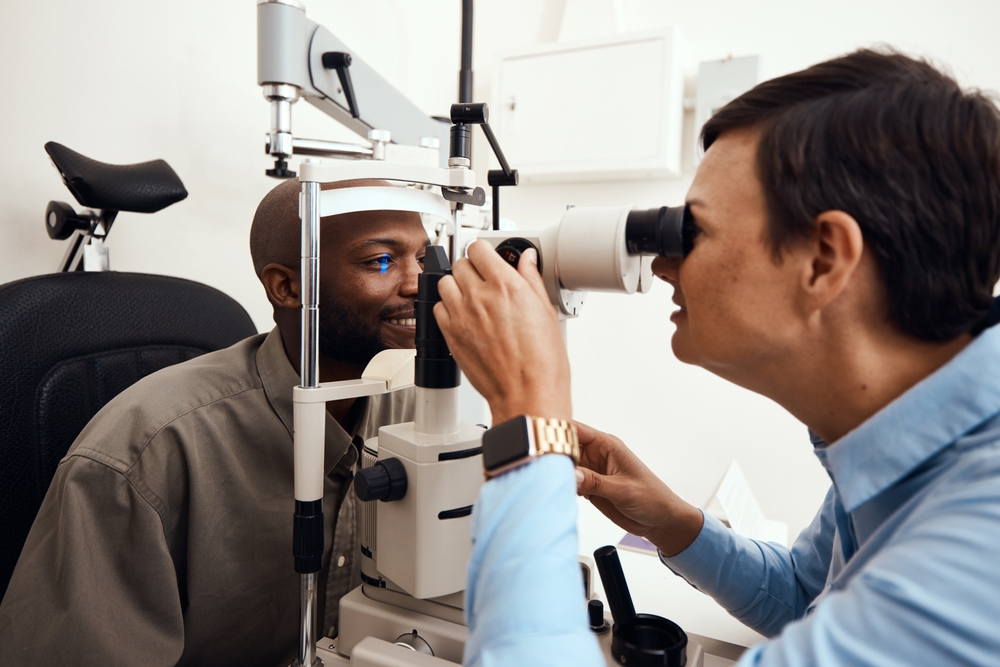
Ophthalmology is a specialized field of medicine dedicated to the diagnosis, treatment, and prevention of diseases and conditions affecting the eyes and the visual system. As one of the most critical senses, vision is integral to our daily activities, and any impairment can significantly impact our quality of life. Ophthalmologists are medical doctors who specialize in eye care and surgery, working to preserve and restore vision for people of all ages. With a combination of advanced technology, skilled surgical techniques, and a comprehensive understanding of ocular health, ophthalmology plays an essential role in helping individuals lead active, healthy lives.

What is Ophthalmology?

Ophthalmology is the medical branch that focuses on the study of the eyes and the prevention and treatment of related diseases. The term "ophthalmology" comes from the Greek words "ophthalmos" (eye) and "logos" (study). Ophthalmologists are highly trained medical professionals who are qualified to treat a wide range of eye-related issues, ranging from common refractive errors like nearsightedness to complex, life-threatening conditions such as retinal detachment and glaucoma.

Unlike optometrists, who focus primarily on vision correction and basic eye health, ophthalmologists are medical doctors who can diagnose, treat, and perform surgery on the eyes. Their expertise covers everything from minor issues like dry eyes to critical conditions that can lead to vision loss, making their role central to comprehensive eye care.

Key Areas of Ophthalmology

Ophthalmology is a broad field with many subspecialties. Some of the most prominent branches of ophthalmology include:

  1. Retina and Vitreous: Retina specialists focus on treating conditions affecting the retina, such as macular degeneration, diabetic retinopathy, and retinal detachment. These conditions are often progressive and can lead to permanent vision loss if not diagnosed and treated early. Retina specialists utilize high-tech imaging tools like Optical Coherence Tomography (OCT) to monitor the retina's health and guide treatment.

  2. Cornea and External Disease: The cornea is the transparent, dome-shaped surface at the front of the eye. Corneal specialists treat conditions like keratoconus (a condition in which the cornea thins and bulges) and dry eye disease. They may perform surgeries such as corneal transplants to restore vision.

  3. Glaucoma: Glaucoma is a group of diseases that damage the optic nerve, often due to increased intraocular pressure. This condition can lead to irreversible blindness if not treated. Glaucoma specialists use medications, laser treatments, and surgery to manage the disease and prevent further damage to the optic nerve.

  4. Cataracts: Cataracts occur when the natural lens of the eye becomes cloudy, leading to blurry vision. Cataract surgery is one of the most common and successful surgeries in ophthalmology. It involves the removal of the cloudy lens and replacing it with a clear, artificial intraocular lens (IOL), which restores vision.

  5. Pediatric 植入式隱形眼鏡價錢 : This subspecialty focuses on treating eye conditions in children, such as strabismus (misalignment of the eyes), amblyopia (lazy eye), and congenital cataracts. Early detection and treatment are crucial in children, as untreated eye conditions can result in permanent vision problems.

  6. Neuro-Ophthalmology: Neuro-ophthalmologists specialize in conditions where the eyes and the nervous system intersect. These include optic neuritis, double vision, and visual disturbances due to neurological diseases such as multiple sclerosis or brain tumors.

  7. Oculoplastic Surgery: Oculoplastic surgeons focus on reconstructive and cosmetic surgery of the eyelids, tear ducts, and the orbit (eye socket). This can include procedures to treat conditions like drooping eyelids (ptosis) or to repair damage from trauma.

Common Eye Conditions and Treatment

Ophthalmologists treat a wide range of eye diseases, many of which affect people as they age. Early diagnosis and intervention are key to preventing irreversible vision loss. Some of the most common conditions treated by ophthalmologists include:

  1. Refractive Errors: These are the most common types of vision problems, including myopia (nearsightedness), hyperopia (farsightedness), and astigmatism. They occur when the shape of the eye prevents light from focusing correctly on the retina. These conditions can be easily corrected with glasses, contact lenses, or surgical procedures such as LASIK.

  2. Cataracts: Cataracts are one of the most common age-related eye conditions. They develop when the eye's lens becomes cloudy, impairing vision. Cataract surgery is highly successful in restoring vision, and it involves removing the cloudy lens and replacing it with an artificial intraocular lens.

  3. Glaucoma: Glaucoma is a progressive eye disease that damages the optic nerve and can lead to blindness if left untreated. It is often caused by increased pressure inside the eye. Treatment usually involves prescription eye drops to lower eye pressure, laser treatment, or surgery to improve drainage of fluid in the eye.

  4. Age-Related Macular Degeneration (AMD): AMD affects the central part of the retina, known as the macula, leading to gradual loss of central vision. Though there is no cure, treatments such as anti-VEGF injections, laser therapy, and lifestyle changes can slow its progression.

  5. Diabetic Retinopathy: People with diabetes are at risk for diabetic retinopathy, a condition in which high blood sugar damages the blood vessels in the retina. Early detection through regular eye exams is vital, and treatment options may include laser therapy, injections, or surgery.

  6. Dry Eye Syndrome: Dry eyes occur when the eyes do not produce enough tears, or the tears evaporate too quickly. This condition can cause discomfort, redness, and blurred vision. Treatment options range from artificial tears to medications that promote tear production, as well as lifestyle changes and surgery in more severe cases.

  7. Strabismus: Strabismus, or crossed eyes, occurs when the eyes do not align properly. It can lead to double vision and, in children, amblyopia (lazy eye). Treatment may include corrective lenses, vision therapy, or surgery to realign the eyes.

Advancements in Ophthalmology

Ophthalmology is a constantly evolving field, with new technologies and treatments emerging to improve patient outcomes. Some of the most notable advancements include:

  1. Optical Coherence Tomography (OCT): OCT is a non-invasive imaging technique that provides high-resolution images of the retina, allowing ophthalmologists to diagnose and monitor conditions like macular degeneration, diabetic retinopathy, and glaucoma with incredible precision.

  2. Laser Vision Correction (LASIK): LASIK is a popular surgical procedure that corrects refractive errors such as myopia, hyperopia, and astigmatism. By reshaping the cornea using a laser, LASIK allows many people to reduce or eliminate their dependence on glasses or contact lenses.

  3. Gene Therapy: Gene therapy is an emerging treatment for inherited retinal diseases such as retinitis pigmentosa and Leber congenital amaurosis. This revolutionary approach aims to correct defective genes within retinal cells to prevent vision loss and even restore sight in some cases.

  4. Artificial Intelligence (AI) in Diagnostics: AI is making significant strides in ophthalmology by aiding in the detection and diagnosis of eye diseases. AI algorithms can analyze retinal images to identify early signs of diabetic retinopathy, glaucoma, and age-related macular degeneration, helping ophthalmologists detect diseases earlier and with greater accuracy.

  5. Minimally Invasive Surgeries: With advances in surgical techniques, ophthalmologists now perform many eye surgeries with smaller incisions and fewer complications. Procedures like microincisional cataract surgery and laser treatments for glaucoma are less invasive, with faster recovery times for patients.

Preventative Eye Care

While many eye conditions are treatable, prevention is always better than cure. Here are some steps individuals can take to protect their eye health:

  • Get Regular Eye Exams: Comprehensive eye exams are essential for detecting eye diseases like glaucoma, cataracts, and macular degeneration in their early stages, when treatment is most effective.

  • Protect Your Eyes from UV Radiation: Wearing sunglasses that block 100% of UV rays helps protect the eyes from sun damage, which can lead to cataracts and other eye issues.

  • Eat a Healthy Diet: A diet rich in antioxidants, vitamins, and minerals, such as those found in leafy greens, fish, and fruits, can help protect the eyes from age-related diseases like macular degeneration.

  • Quit Smoking: Smoking increases the risk of cataracts, macular degeneration, and other eye conditions. Quitting smoking can significantly reduce these risks.

  • Practice Proper Screen Habits: Prolonged screen time can lead to digital eye strain, resulting in discomfort and blurred vision. Taking regular breaks from screens, practicing the 20-20-20 rule, and adjusting screen settings can help reduce eye strain.

Conclusion

Ophthalmology is a rapidly advancing field that plays a crucial role in maintaining and improving vision health. Through a combination of expertise in medical treatment, advanced diagnostic tools, and surgical innovations, ophthalmologists are able to diagnose and manage a wide range of eye conditions. With early detection, modern treatments, and preventive care, many eye diseases can be effectively treated, preserving vision and enhancing quality of life. As research and technology continue to evolve, the future of ophthalmology holds the promise of even more breakthroughs that will help millions of people maintain healthy vision throughout their lives.