
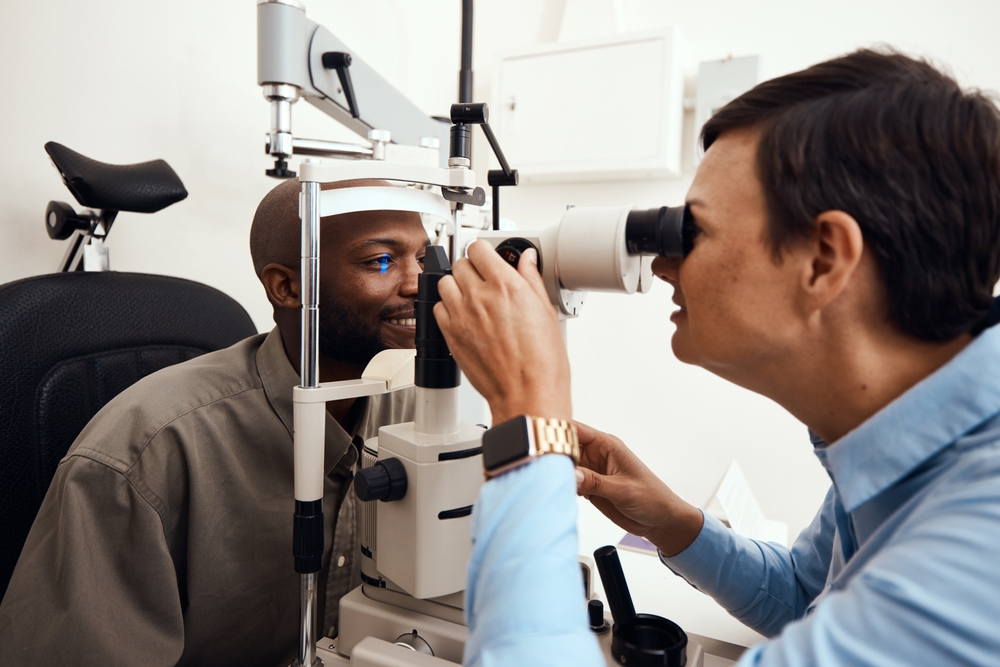
Yndy Designs Health & Fitness Ophthalmology: The Science of Eye Health and Vision Restoration

Ophthalmology: The Science of Eye Health and Vision Restoration

Ophthalmology is a specialized field of medicine dedicated to the diagnosis, treatment, and prevention of diseases and conditions affecting the eyes and the visual system. As one of the most critical senses, vision is integral to our daily activities, and any impairment can significantly impact our quality of life. Ophthalmologists are medical doctors who specialize in eye care and surgery, working to preserve and restore vision for people of all ages. With a combination of advanced technology, skilled surgical techniques, and a comprehensive understanding of ocular health, ophthalmology plays an essential role in helping individuals lead active, healthy lives.

What is Ophthalmology?

Ophthalmology is the medical branch that focuses on the study of the eyes and the prevention and treatment of related diseases. The term "ophthalmology" comes from the Greek words "ophthalmos" (eye) and "logos" (study). Ophthalmologists are highly trained medical professionals who are qualified to treat a wide range of eye-related issues, ranging from common refractive errors like nearsightedness to complex, life-threatening conditions such as retinal detachment and glaucoma.

Unlike optometrists, who focus primarily on vision correction and basic eye health, ophthalmologists are medical doctors who can diagnose, treat, and perform surgery on the eyes. Their expertise covers everything from minor issues like dry eyes to critical conditions that can lead to vision loss, making their role central to comprehensive eye care.

Key Areas of Ophthalmology

Ophthalmology is a broad field with many subspecialties. Some of the most prominent branches of ophthalmology include:

  1. Retina and Vitreous: Retina specialists focus on treating conditions affecting the retina, such as macular degeneration, diabetic retinopathy, and retinal detachment. These conditions are often progressive and can lead to permanent vision loss if not diagnosed and treated early. Retina specialists utilize high-tech imaging tools like Optical Coherence Tomography (OCT) to monitor the retina's health and guide treatment.

  2. Cornea and External Disease: The cornea is the transparent, dome-shaped surface at the front of the eye. Corneal specialists treat conditions like keratoconus (a condition in which the cornea thins and bulges) and dry eye disease. They may perform surgeries such as corneal transplants to restore vision.

  3. Glaucoma: Glaucoma is a group of diseases that damage the optic nerve, often due to increased intraocular pressure. This condition can lead to irreversible blindness if not treated. Glaucoma specialists use medications, laser treatments, and surgery to manage the disease and prevent further damage to the optic nerve.

  4. Cataracts: Cataracts occur when the natural lens of the eye becomes cloudy, leading to blurry vision. Cataract surgery is one of the most common and successful surgeries in ophthalmology. It involves the removal of the cloudy lens and replacing it with a clear, artificial intraocular lens (IOL), which restores vision.

  5. Pediatric 植入式隱形眼鏡價錢 : This subspecialty focuses on treating eye conditions in children, such as strabismus (misalignment of the eyes), amblyopia (lazy eye), and congenital cataracts. Early detection and treatment are crucial in children, as untreated eye conditions can result in permanent vision problems.

  6. Neuro-Ophthalmology: Neuro-ophthalmologists specialize in conditions where the eyes and the nervous system intersect. These include optic neuritis, double vision, and visual disturbances due to neurological diseases such as multiple sclerosis or brain tumors.

  7. Oculoplastic Surgery: Oculoplastic surgeons focus on reconstructive and cosmetic surgery of the eyelids, tear ducts, and the orbit (eye socket). This can include procedures to treat conditions like drooping eyelids (ptosis) or to repair damage from trauma.

Common Eye Conditions and Treatment

Ophthalmologists treat a wide range of eye diseases, many of which affect people as they age. Early diagnosis and intervention are key to preventing irreversible vision loss. Some of the most common conditions treated by ophthalmologists include:

  1. Refractive Errors: These are the most common types of vision problems, including myopia (nearsightedness), hyperopia (farsightedness), and astigmatism. They occur when the shape of the eye prevents light from focusing correctly on the retina. These conditions can be easily corrected with glasses, contact lenses, or surgical procedures such as LASIK.

  2. Cataracts: Cataracts are one of the most common age-related eye conditions. They develop when the eye's lens becomes cloudy, impairing vision. Cataract surgery is highly successful in restoring vision, and it involves removing the cloudy lens and replacing it with an artificial intraocular lens.

  3. Glaucoma: Glaucoma is a progressive eye disease that damages the optic nerve and can lead to blindness if left untreated. It is often caused by increased pressure inside the eye. Treatment usually involves prescription eye drops to lower eye pressure, laser treatment, or surgery to improve drainage of fluid in the eye.

  4. Age-Related Macular Degeneration (AMD): AMD affects the central part of the retina, known as the macula, leading to gradual loss of central vision. Though there is no cure, treatments such as anti-VEGF injections, laser therapy, and lifestyle changes can slow its progression.

  5. Diabetic Retinopathy: People with diabetes are at risk for diabetic retinopathy, a condition in which high blood sugar damages the blood vessels in the retina. Early detection through regular eye exams is vital, and treatment options may include laser therapy, injections, or surgery.

  6. Dry Eye Syndrome: Dry eyes occur when the eyes do not produce enough tears, or the tears evaporate too quickly. This condition can cause discomfort, redness, and blurred vision. Treatment options range from artificial tears to medications that promote tear production, as well as lifestyle changes and surgery in more severe cases.

  7. Strabismus: Strabismus, or crossed eyes, occurs when the eyes do not align properly. It can lead to double vision and, in children, amblyopia (lazy eye). Treatment may include corrective lenses, vision therapy, or surgery to realign the eyes.

Advancements in Ophthalmology

Ophthalmology is a constantly evolving field, with new technologies and treatments emerging to improve patient outcomes. Some of the most notable advancements include:

  1. Optical Coherence Tomography (OCT): OCT is a non-invasive imaging technique that provides high-resolution images of the retina, allowing ophthalmologists to diagnose and monitor conditions like macular degeneration, diabetic retinopathy, and glaucoma with incredible precision.

  2. Laser Vision Correction (LASIK): LASIK is a popular surgical procedure that corrects refractive errors such as myopia, hyperopia, and astigmatism. By reshaping the cornea using a laser, LASIK allows many people to reduce or eliminate their dependence on glasses or contact lenses.

  3. Gene Therapy: Gene therapy is an emerging treatment for inherited retinal diseases such as retinitis pigmentosa and Leber congenital amaurosis. This revolutionary approach aims to correct defective genes within retinal cells to prevent vision loss and even restore sight in some cases.

  4. Artificial Intelligence (AI) in Diagnostics: AI is making significant strides in ophthalmology by aiding in the detection and diagnosis of eye diseases. AI algorithms can analyze retinal images to identify early signs of diabetic retinopathy, glaucoma, and age-related macular degeneration, helping ophthalmologists detect diseases earlier and with greater accuracy.

  5. Minimally Invasive Surgeries: With advances in surgical techniques, ophthalmologists now perform many eye surgeries with smaller incisions and fewer complications. Procedures like microincisional cataract surgery and laser treatments for glaucoma are less invasive, with faster recovery times for patients.

Preventative Eye Care

While many eye conditions are treatable, prevention is always better than cure. Here are some steps individuals can take to protect their eye health:

  • Get Regular Eye Exams: Comprehensive eye exams are essential for detecting eye diseases like glaucoma, cataracts, and macular degeneration in their early stages, when treatment is most effective.

  • Protect Your Eyes from UV Radiation: Wearing sunglasses that block 100% of UV rays helps protect the eyes from sun damage, which can lead to cataracts and other eye issues.

  • Eat a Healthy Diet: A diet rich in antioxidants, vitamins, and minerals, such as those found in leafy greens, fish, and fruits, can help protect the eyes from age-related diseases like macular degeneration.

  • Quit Smoking: Smoking increases the risk of cataracts, macular degeneration, and other eye conditions. Quitting smoking can significantly reduce these risks.

  • Practice Proper Screen Habits: Prolonged screen time can lead to digital eye strain, resulting in discomfort and blurred vision. Taking regular breaks from screens, practicing the 20-20-20 rule, and adjusting screen settings can help reduce eye strain.

Conclusion

Ophthalmology is a rapidly advancing field that plays a crucial role in maintaining and improving vision health. Through a combination of expertise in medical treatment, advanced diagnostic tools, and surgical innovations, ophthalmologists are able to diagnose and manage a wide range of eye conditions. With early detection, modern treatments, and preventive care, many eye diseases can be effectively treated, preserving vision and enhancing quality of life. As research and technology continue to evolve, the future of ophthalmology holds the promise of even more breakthroughs that will help millions of people maintain healthy vision throughout their lives.

Leave a Reply

Your email address will not be published. Required fields are marked *

Related Post

Where Compassion Meets Care: How Health Chec Clinics Are Revolutionizing Affected Role-centered Health CareWhere Compassion Meets Care: How Health Chec Clinics Are Revolutionizing Affected Role-centered Health Care

In Recent age, the landscape painting of healthcare has undergone a unfathomed shift, as health chec clinics around the earth hug a model that prioritizes not only nonsubjective expertise but also compassion and affected role-centered care. The orthodox health care system, often criticized for its nonpersonal, split approach, is being transformed into a more holistic and human-centered experience. At the spirit of this rotation is the ontogenesis realisation that the best outcomes don’t come exclusively from treating the body but from addressing the feeling, mental, and mixer needs of patients as well.

The Shift to Patient-Centered Care

Historically, medical care focussed heavily on the diagnosing and treatment of physical ailments. While nonsubjective competency and subject area advances in medicate remained at the core of health care, the go through of the patient was often sidelined. Doctors and nurses were seen as the experts, with patients expected to watch operating instructions without much involvement in the -making work on. However, this simulate left many patients touch sensation disempowered, anxious, and at multiplication, staccato from their own care.

Patient-centered care(PCC) emerged as a reply to these concerns. Rather than focus purely on medical exam procedures or treatments, PCC emphasizes the patient as an active voice participant in their own care. The conception revolves around treating the someone as a whole mortal, not just their illness, and recognizing the importance of their values, preferences, and feeling needs. Medical clinics that adopt this set about are reimagining the patient go through, desegregation pity with objective expertise to offer a more comprehensive examination, appurtenant form of care.

Compassionate Care as a Pillar

One of the most significant aspects of this gyration is the integration of pity into nonsubjective rehearse. Compassionate care goes beyond simply providing medical checkup treatment; it involves forming a genuine connection with patients, acknowledging their concerns, and offer feeling subscribe during noncompliant times. Research consistently shows that patients who feel tacit and hanging down are more likely to stick to handling plans, account high levels of gratification, and undergo better overall wellness outcomes.

تبلیغات پزشکی s adopting compassionate care trail their staff not only in technical foul skills but also in feeling tidings. Providers are pleased to listen in actively, pass with empathy, and regale patients with and abide by. This feel for go about is particularly good in chronic sickness direction, unhealthy health care, and end-of-life care, where the emotional toll on patients and families is significant. By acknowledging the emotional and scientific discipline aspects of health, compassionate care fosters an environment of trust, which is necessary for thriving sanative.

The Role of Technology in Enhancing Patient-Centered Care

While compassion is a core component of patient-centered care, engineering science plays a essential role in enhancing the overall patient see. Medical clinics are progressively leverage digital tools to ameliorate communication, streamline workflows, and provide more personal care. Electronic wellness records(EHRs) providers to get at comprehensive examination patient histories rapidly, allowing for more hip -making and better continuity of care.

Telemedicine, for example, has revolutionized get at to care, especially for patients in remote areas or those with mobility challenges. Virtual appointments allow for greater flexibility, sanctioning patients to consult with specialists or watch up on handling without going away their homes. Online patient portals give individuals the ability to view test results, schedule appointments, and pass with providers, empowering them to take a more active role in their healthcare.

Furthermore, clinics are progressively using data analytics to cut through patient role outcomes and shoehorn treatments to meet mortal needs. By understanding patterns in patient data, medical exam professionals can offer more very, operational, and personal care plans that coordinate with each patient's unique health journey.

The Importance of Collaboration and Multidisciplinary Teams

Another key boast of affected role-centered care in Bodoni font medical exam clinics is the vehemence on teamwork and quislingism. Gone are the days of isolated care, where patients might see a different specialist for each view of their wellness without much coordination. Today’s clinics prioritise a team-based go about, where doctors, nurses, mental health professionals, sociable workers, and other specialists collaborate to train comprehensive care plans.

Multidisciplinary teams allow for more holistic care, addressing not just the immediate medical exam needs of a affected role but also the broader context of their life, including mental, feeling, and social factors. This go about is particularly effective for managing complex conditions like , spirit disease, or malignant neoplastic disease, where duple aspects of care are needful.

Looking Ahead: A More Compassionate Future for Healthcare

As health chec clinics bear on to germinate, the integration of compassion, collaboration, and affected role-centered care is pavement the way for a more human being-centered health care system. By direction on the whole somebody, not just the unwellness, clinics are serving to restitute the requirement bank between patients and providers, making healthcare a more purposeful and condole with see.

As this simulate gains traction, the healthcare manufacture as a whole is commencement to realise that lovingness for patients isn't just about solidifying diseases—it's about fostering health in every sense of the word. Through this gyration, pity is becoming just as requirement to remedial as medical expertise, and the time to come of health care looks brighter and more connected than ever before.

Eft Tapping Therapy For Beginners: Step-by-step Emotional ExemptionEft Tapping Therapy For Beginners: Step-by-step Emotional Exemption


If you re looking for a simple, natural way to reduce stress, finagle anxiety, or unblock emotional blockages, Healing PTSD with EFT and energy work might be just what you need. Often titled emotional acupuncture without needles, EFT(Emotional Freedom Techniques) combines tapping on particular points on your body with convergent mindfulness to help you unlock emotional exemption and calm your mind.

If you re new to EFT, this step-by-step guide will walk you through the rudiments so you can take up tapping your way to better emotional wellness.

What Is EFT Tapping Therapy?

EFT Tapping is a holistic curative technique that involves gently tapping with your fingertips on a serial of Meridian points floater on your face, hands, and body connected to vim pathways. While tapping, you focus on a particular emotion, cut, or natural science sentience, allowing the technique to tighten blackbal feelings and restitute poise to your body s vim system.

It s easy, non-invasive, and can be done anywhere making it a front-runner for beginners and those seeking quickly succour from feeling distress.

Why Try EFT Tapping?

Reduces anxiousness and try quickly

Helps finagle chronic pain and physical symptoms

Improves emotional resiliency and self-awareness

Encourages self-acceptance and feeling healing

Requires no specialised equipment or training

Step-by-Step Guide to EFT Tapping for Beginners

Step 1: Identify the Issue

Start by direction on a particular trouble, tactile sensation, or intellection that you want to turn to. This could be anxiety about an approaching event, sadness, see red, or even natural science pain. The more particular, the better.

Step 2: Rate the Intensity

On a scale from 0 to 10, rate how fresh the touch or trouble is for you right now. This helps you get over your shape up as you tap.

Step 3: Create Your Setup Statement

Your setup program line acknowledges the cut and affirms self-acceptance despite it. For example:

Even though I feel anxious about this coming together, I profoundly and all take myself.

Repeat this statement three times while tapping the Karate Chop direct the outer edge of your hand, below your little finger finger.

Step 4: Tap Through the Meridian Points

Using your fingertips, tap mildly about 5-7 multiplication on each of the following points while repetition a admonisher formulate that relates to your write out(e.g., this anxiousness):

Eyebrow(EB): Where the supercilium starts, near the bridge over of the nose

Side of Eye(SE): On the bone bordering the outer of the eye

Under Eye(UE): On the bone under the eye, about 1 inch below the pupil

Under Nose(UN): Between the penetrate of your nose and upper lip

Chin(CH): Midway between the point of your chin and your lour lip

Collarbone(CB): Just below the collarbone, about an inch from the center on of your chest

Under Arm(UA): About 4 inches below the axilla, on the side of your body

Top of Head(TH): Directly on the crown of your hea

d

Step 5: Reassess the Intensity

After completing the tapping sequence, take a deep intimation and rate the volume of your tactual sensation again on the 0 to 10 scale. Notice if it has remittent. If the intensity is still high, take over the tapping process until you feel calmer or more balanced.

Tips for EFT Beginners

Be patient: Emotional shifts may be subtle and can build over time.

Stay present: Focus on your feelings frankly during tapping.

Customize your statements: Use dustup that resonate in person with you.

Practice regularly: Like any science, EFT gets easier and more operational with practise.

When to Use EFT Tapping

EFT is versatile and can be used for:

Everyday try or anxiety

Phobias and fears

Past trauma or grief

Physical pain and tension

Enhancing trust and motivation

Final Thoughts

EFT Tapping Therapy is a mighty tool for emotional freedom that s accessible to everyone even beginners. With just a few transactions a day, you can take up tapping away your strain and opening the door to greater calm and limpidity. Give it a try and impart how this simple proficiency can transmute your feeling well-being.

6 Skin Conditions Dermalux Can Help You Treat – Naturally6 Skin Conditions Dermalux Can Help You Treat – Naturally

Tailored Solutions for Beautiful Skin
At Skin Revival Specialist, we provide cutting-edge skin treatments to address various skin concerns. Our tailored approach focuses on enhancing skin health and delivering personalised care to every client.

From acne to rosacea, pigmentation to premature ageing—skin conditions can impact more than just your appearance. They affect your comfort, your confidence, and how you move through the world. At Skin Revival Specialist, we believe that true skin healing begins with gentle, effective therapies that work with your body—not against it.

That’s why we trust Dermalux as one of our most versatile treatment options. Backed by science and loved by clients, this noninvasive LED therapy supports skin recovery and balance in a completely natural way.

Let’s explore six common skin concerns that Dermalux can treat—without downtime or discomfort.

1. Acne and Breakouts

How It Helps:
Blue light therapy targets the bacteria (P. acnes) that cause acne, while red light reduces inflammation and promotes healing.

Results:

  • Calmer, clearer skin

  • Fewer breakouts

  • Reduced acne scarring over time

Recommended Plan:
A course of 2–3 treatments per week for 4–6 weeks, combined with acne-friendly homecare, provides excellent results.

2. Rosacea and Facial Redness

How It Helps:
Rosacea is notoriously difficult to treat. Red and near-infrared light calm inflammation, improve microcirculation, and strengthen the skin barrier.

Results:

  • Reduced redness and flare-ups

  • Less irritation and discomfort

  • More resilient skin over time

Why Clients Love It:
Dermalux is gentle enough for even the most sensitive skin types.

3. Ageing Skin and Fine Lines

How It Helps:
As we age, collagen production slows, leading to fine lines, loss of firmness, and dullness. Red and infrared light stimulate fibroblast activity, boosting collagen and elastin.

Results:

  • Plumper, firmer skin

  • Improved texture

  • Youthful glow

Combine Dermalux with microneedling or advanced facials for enhanced anti-ageing effects.

4. Hyperpigmentation and Uneven Tone

How It Helps:
Red and near-infrared light regulate melanin production and accelerate cellular turnover, helping fade dark spots and even skin tone.

Results:

  • Brighter, more even complexion

  • Reduced sun damage

  • Less visible discolouration

Regular treatments can gradually lighten pigmentation without harsh peels or lasers.

5. Eczema and Psoriasis

How It Helps:
These chronic inflammatory conditions benefit from the soothing, regenerative properties of red and infrared light.

Results:

  • Reduced itchiness and dryness

  • Calmer, less inflamed skin

  • Improved comfort and confidence

Our clients often use Dermalux to extend time between flare-ups.

6. Post-Treatment Recovery

How It Helps:
After microneedling, peels, or other aesthetic procedures, the skin is vulnerable. LED light promotes healing, reduces redness, and speeds up recovery.

Results:

  • Less downtime

  • Faster healing

  • Enhanced results

We often finish in-clinic treatments with Dermalux to maximise outcomes.

The Science Behind the Results

Every benefit mentioned above is supported by peer-reviewed research and clinical trials. Dermalux is medically certified, making it one of the most trusted technologies in skincare today.

Unlike other “LED masks” or light gadgets, Dermalux delivers:

  • Clinically optimised wavelengths

  • Medical-grade output

  • Safe, pain-free sessions

  • Reliable and visible results

Precision Skincare Reinvented     How Hypo21 and Miracletox Create a New Gold StandardPrecision Skincare Reinvented     How Hypo21 and Miracletox Create a New Gold Standard

Skincare is moving into a new era—an era that values efficacy, gentleness, and minimalism. Gone are the days of heavy creams loaded with unnecessary fillers or aggressive actives that irritate more than they heal. At the forefront of this transformation are two breakthrough solutions: Hypo21 and Miracletox. While these products work very differently, they are deeply complementary in what they offer to consumers who are serious about high-performance skincare Ekseption skincare.

The Hypo21 Revolution: Strengthening the Skin’s Natural Defense

Hypo21 is centered around one powerful yet simple ingredient: hypochlorous acid (HOCl). This molecule is produced naturally by the human immune system to help fight infection and inflammation. In skincare, stabilized HOCl offers profound benefits. It cleanses, soothes, and protects the skin without damaging the barrier, making it ideal for people suffering from sensitivity, acne, rosacea, or post-procedure recovery.

Unlike alcohol-based sprays or harsh astringents, Hypo21 supports the skin’s microbiome and strengthens its resilience. With consistent use, users often report:

  • Reduced redness and swelling

  • Fewer breakouts

  • Enhanced healing of cuts, blemishes, or irritation

  • A visible calming of inflamed or reactive skin

What sets Hypo21 apart is its purity—free from alcohol, parabens, preservatives, and fragrances. It’s safe enough to use on children, sensitive eyes, and compromised skin.

Miracletox: Professional-Level Rejuvenation at Home

On the other side of the spectrum lies Miracletox, a luxury anti-aging skincare system designed to restructure and revitalize the skin from within. It’s most famous for its Ampoule Program, which uses a proprietary peptide complex and micro-needle technology to deliver deep penetration and noticeable lifting effects.

Miracletox is not just another peptide cream. It’s an integrated skin treatment system that mimics results typically seen only in aesthetic clinics. Through its high-performance formulas, users experience:

  • Improved skin elasticity and firmness

  • Reduction in fine lines and wrinkles

  • Brighter, more even-toned skin

  • Long-term hydration and plumping effects

It’s ideal for those looking to boost collagen production and reverse signs of aging without invasive procedures.

Why Hypo21 and Miracletox Work So Well Together

At first glance, a medical-grade skin mist and a high-tech anti-aging treatment may seem worlds apart. But together, they form a holistic system for clean, healthy, and age-defying skin. Here’s how:

  • Before using Miracletox, prep the skin with Hypo21 to ensure a clean, calm base free of pathogens.

  • After applying Miracletox Ampoule or Cream, mist with Hypo21 again to reduce any inflammation from micro-stimulation and lock in hydration.

This creates a “sandwich effect” where Hypo21 protects and enhances the performance of Miracletox, while Miracletox strengthens and firms the skin long-term. It’s a powerhouse pairing for anyone looking to age gracefully and gently.

Trusted Diagnostic Laboratory in Karachi for Complete Health CheckupsTrusted Diagnostic Laboratory in Karachi for Complete Health Checkups


Importance of Reliable Diagnostic Testing

Reliable diagnostic testing is essential for maintaining your health. You rely on accurate lab results to detect diseases early, monitor treatment, and make informed health decisions. In a busy city like Karachi, where healthcare demand is constantly growing, the accuracy of lab tests becomes even more critical. Errors in test results can lead to delayed treatment or unnecessary procedures. Studies show that laboratory findings influence almost seventy percent of clinical decisions, highlighting their importance. A trusted diagnostic laboratory follows strict protocols, uses modern equipment, and employs qualified professionals. Correct sample collection, proper handling, and thorough verification ensure accurate reports. By choosing a dependable lab, you reduce repeat testing, save money, and receive reliable information to guide your healthcare decisions Best Lab in Karachi.

Advanced Technology and Comprehensive Test Panels

Technology plays a major role in ensuring precise results. Trusted diagnostic laboratories in Karachi invest in advanced analyzers and imaging systems. Automated hematology machines count blood cells accurately, while high-resolution ultrasound and digital X-ray systems provide clear images. Molecular and PCR-based tests detect infections early, improving disease management. Modern laboratories also maintain broad test panels for complete health checkups, covering blood chemistry, liver and kidney function, hormonal assessments, lipid profiles, and vitamin levels. Laboratory information systems track each sample from collection to reporting, reducing errors and ensuring data integrity. Participation in external quality assessment programs confirms that test results meet international standards. By using modern technology and comprehensive test panels, labs provide reliable information for overall health evaluation.

Qualified Professionals and Standard Operating Procedures

Equipment alone cannot guarantee accuracy. Skilled professionals are crucial. Trusted laboratories employ experienced pathologists, radiologists, microbiologists, and laboratory technologists. These experts complete formal education and undergo continuous training. Standard operating procedures guide every step, including sample collection, storage, processing, and reporting. Proper sample handling is critical, as errors such as incorrect fasting or improper labeling can affect results. Phlebotomists and technicians ensure that samples are collected and stored correctly. Pathologists carefully review abnormal results, reducing the risk of false positives and negatives. Radiologists interpret imaging studies precisely, providing accurate insights for treatment planning. Regular audits and staff training maintain high standards and ensure each report is trustworthy.

Patient-Centered Services and Convenience

Trusted diagnostic laboratories focus on providing a seamless patient experience. Staff clearly explain test requirements, preparation instructions, and any restrictions. Timely reporting, including same-day results for routine tests, enhances patient satisfaction. Many labs offer secure online access, allowing you to view and share reports easily. Privacy and data protection are strictly maintained through secure systems and restricted access. Clean collection areas, comfortable waiting rooms, and organized scheduling reduce stress during visits. Some laboratories provide home sample collection, which is especially useful for elderly or immobile patients. Regular patient feedback is collected and used to improve services, ensuring that convenience, comfort, and accuracy go hand in hand.

Choosing the Right Diagnostic Laboratory in Karachi

Selecting a reliable laboratory requires careful consideration. Look for accreditation from recognized authorities, confirming adherence to quality standards. Review the range of tests offered to ensure complete health checkups are available under one roof. Assess the qualifications and experience of medical staff, including pathologists and technologists. Check turnaround times for routine and specialized tests. Transparent pricing prevents unexpected costs. Patient reviews offer insights into accuracy, professionalism, and service quality. Avoid choosing based solely on cost, as low-priced services may compromise quality. A trusted diagnostic laboratory supports doctors with accurate data and empowers patients with clear, actionable information about their health. By selecting a reliable lab, you ensure complete, precise, and timely health assessments.