Category: Health & Fitness

Kamagra: Ein Hilfestellung Für Sichere Verwendung Zusätzlich MengeKamagra: Ein Hilfestellung Für Sichere Verwendung Zusätzlich Menge


Kamagra ein Arzneimittel, das häufig zur Behandlung von Erektionsstörungen (ED) verwendet wird. Es enthält den Aktivbestandteil Sildenafil, der auch in Viagra zu finden ist, und gehört daher zur Gruppe der Phosphodiesterase-5 (PDE5)-Hemmstoffe. Sildenafil wirkt, indem es die Blutzirkulation im Genitalbereich fördert, was zu einer verbesserten Blutversorgung und Erektion führt, wenn der Mann sexuell erregt ist. Kamagra ist sowohl als Pille als auch als Gel erhältlich und erfreut sich aufgrund seines relativ niedrigen Preises und der einfachen Anwendung großer Beliebtheit. In vielen Ländern, insbesondere in Indien, wird Kamagra in verschiedenen Formen als rezeptfreies Produkt angeboten, was die Zugänglichkeit und den Zugang erleichtert.

Die Effekt von Kamagra beruht auf der Blockierung des Enzyms PDE5, das normalerweise den Blutfluss zum Penis einschränkt. Durch die Hemmung dieses Enzyms wird der Blutfluss verbessert, was eine stärkere und langanhaltende Erektion ermöglicht. Allerdings sollte Kamagra nur nach dem Rücksprache mit einem Arzt eingenommen werden, da es in einigen Fällen zu Nebenwirkungen kommen kann. Zu den häufigsten Nebenwirkungen gehören Kopfschmerzen, Hitzewallungen, Verdauungsstörungen und in seltenen Fällen auch Sehstörungen. Wer bereits andere Arzneien einnimmt oder unter gesundheitlichen Problemen wie Kreislaufproblemen leidet, sollte vor der Einnahme von Kamagra unbedingt Beratung mit einem Arzt halten.

Ein weiterer relevanter Aspekt von Kamagra ist, dass es nur dann wirkt, wenn der Benutzer körperlich stimuliert ist. Das bedeutet, dass die Einnahme des Medikaments nicht zu einer unaufgefordert auftretenden Erektion führt, sondern die sexuelle Stimulation erforderlich bleibt. Kamagra ist daher keine „Wunderdroge“, sondern ein Hilfsmittel, das in Verbindung mit körperlicher Stimulation zu einer besseren Erektion führen kann. Diese Charakteristik macht das Medikament zu einer bevorzugten Wahl für viele Männer, die unter erektiler Dysfunktion leiden, aber keine dauerhaften oder invasiven Lösungen suchen.

Kamagra wird in verschiedenen Formen angeboten, einschließlich der klassischen Tabletten und als Kamagra Oral Jelly, eine Gelvariante, die direkt im Mund eingenommen wird. Die Gel-Form hat den Vorteil, dass sie eine schnellere Aufnahme im Körper ermöglicht, was zu einer schnelleren Wirkung führt. Webseite Oral Jelly ist in verschiedenen Aromen erhältlich, was die Einnahme für einige Nutzer angenehmer macht.

Trotz der Beliebtheit von Kamagra gibt es einige rechtliche und gesundheitliche Bedenken, die nicht unbeachtet bleiben sollten. In vielen Ländern ist Kamagra nicht offiziell zugelassen, und der Erwerb von Kamagra aus dem Internet kann riskant sein, da es sich um ein nicht reguliertes Produkt handelt, dessen Herkunft und Qualität oft unklar sind. Der Kauf von Kamagra ohne Rezept kann außerdem rechtlich problematisch sein, da die genaue Menge und Anwendung nicht immer gewährleistet ist. Nutzer sollten daher vorsichtig sein und nur von vertrauenswürdigen Quellen kaufen.

Insgesamt bietet Kamagra eine wirksame Lösung für viele Männer mit erektiler Dysfunktion. Es ist eine kostengünstige Alternative zu anderen bekannten Medikamenten wie Viagra und kann in vielen Fällen eine Steigerung der Lebensqualität ermöglichen. Dennoch ist es wichtig, sich der möglichen Risiken bewusst zu sein und vor der Einnahme des Medikaments medizinische Beratung einzuholen. Kamagra kann eine wertvolle Hilfe bei der Behandlung von ED darstellen, wenn es verantwortungsvoll und in Absprache mit einem Arzt verwendet wird.

Exploring the Role of Supplements in Modern Health: Trends, Benefits, and ConsiderationsExploring the Role of Supplements in Modern Health: Trends, Benefits, and Considerations

In today's health-conscious society, the demand for dietary supplements continues to grow. From multivitamins to probiotics, and protein powders to adaptogens, supplements are now a fundamental part of many people's daily wellness routines. This surge in popularity has led to the emergence of a multi-billion-dollar global industry, with claims that these products can boost immunity, improve mental health, enhance performance, and promote longevity. However, as the supplement market expands, it’s essential to understand their role, the potential benefits they offer, and the important factors to consider before adding them to your regimen.

What Are Dietary Supplements?

Dietary supplements are products designed to complement the diet and provide nutrients that may be missing or insufficient. They come in various forms including tablets, capsules, powders, liquids, or even energy bars. Supplements may contain vitamins, minerals, amino acids, enzymes, herbs, probiotics, or other substances intended to improve health and well-being.

While supplements are not meant to replace a balanced diet, they can help bridge nutritional gaps for individuals who may have deficiencies or specific health concerns. For example, someone who has limited exposure to sunlight may use vitamin D supplements to support bone health, or athletes may turn to protein powders to help with muscle recovery.

Current Trends in the Supplement Industry

The supplement industry has seen notable trends in recent years, with new categories of products gaining traction. Some of the most significant trends include:

  1. Personalized Nutrition: Tailoring supplements to an individual’s specific health needs is becoming increasingly popular. Personalized supplements are based on genetic testing, blood work, and lifestyle assessments, allowing for customized recommendations. This shift toward individualized care reflects a growing interest in more targeted approaches to health and wellness.

  2. Plant-Based Supplements: With the rise of plant-based diets, there has been a surge in the popularity of plant-based supplements, including protein powders made from pea, hemp, and rice. These products cater to vegans, vegetarians, and those looking to reduce their consumption of animal-derived products.

  3. Gut Health Focus: Digestive health has become a key area of focus in recent years. Probiotics, prebiotics, digestive enzymes, and fiber supplements are now among the most popular supplements, as people become more aware of the importance of a healthhealtheducationhouse y gut microbiome for overall health.

  4. Mental Health and Cognitive Function: As mental well-being takes center stage, supplements designed to improve mood, reduce stress, and support cognitive function have gained significant attention. Adaptogens such as ashwagandha, Rhodiola rosea, and L-theanine are commonly used for their calming effects, while nootropics—substances that enhance cognitive performance—are becoming more popular.

  5. Sustainable and Clean Supplements: Environmental concerns are driving the demand for more sustainable, eco-friendly supplements. Companies are focusing on sourcing ingredients responsibly, using recyclable or biodegradable packaging, and ensuring that their products are free from synthetic chemicals, additives, or artificial colors.

Common Types of Supplements and Their Benefits

Supplements are available to support a variety of health goals. Here are some of the most common types and their potential benefits:

1. Vitamins and Minerals

Vitamins and minerals are essential nutrients that the body needs to function properly. While these are typically obtained from food, supplements can help fill the gap for those with dietary restrictions, busy lifestyles, or specific deficiencies.

  • Vitamin D: Important for bone health, immune support, and mood regulation. It’s especially beneficial for individuals who don’t get enough sunlight.
  • Vitamin B12: Vital for energy production, nerve function, and red blood cell formation. It’s particularly important for vegetarians and vegans who may not consume animal-based foods.
  • Magnesium: Supports muscle function, nerve transmission, and bone health. It’s also known for its calming effect, helping with sleep and stress relief.

2. Protein Supplements

Protein is an essential nutrient that supports muscle growth, tissue repair, and immune function. Protein supplements are commonly used by athletes and fitness enthusiasts to aid recovery after workouts and help build lean muscle mass.

  • Whey Protein: A complete protein derived from milk, widely used for muscle recovery.
  • Plant-Based Proteins: Derived from peas, hemp, or brown rice, plant-based proteins are suitable for vegans and those with lactose intolerance.

3. Probiotics and Digestive Enzymes

The health of your gut is increasingly recognized as critical to overall health, influencing everything from immunity to mood. Probiotics and digestive enzymes are often taken to support gut health by maintaining a balanced microbiome and improving digestion.

  • Probiotics: Live bacteria that help maintain a healthy balance of gut flora. They can improve digestion, boost immunity, and support mental health.
  • Digestive Enzymes: Help break down food into nutrients, improving absorption and reducing digestive discomfort like bloating.

4. Adaptogens

Adaptogens are natural substances that help the body cope with stress and restore balance. These herbs and roots are often used in traditional medicine to enhance resilience and support mental and physical well-being.

  • Ashwagandha: An adaptogen known for its ability to reduce stress and anxiety, enhance energy, and support cognitive function.
  • Rhodiola Rosea: Known for its mood-boosting properties, Rhodiola is used to fight fatigue, improve endurance, and manage stress.

5. Fish Oil and Omega-3 Fatty Acids

Omega-3 fatty acids, commonly found in fish oil supplements, are essential for heart health. They help reduce inflammation, lower blood pressure, and support brain health. Omega-3s are also beneficial for skin, joints, and overall longevity.

Things to Consider Before Taking Supplements

While supplements can be beneficial, it's important to approach them with caution and understanding:

  1. Consult a Healthcare Professional: Before adding any supplement to your routine, especially if you are on medication or have underlying health conditions, it’s important to consult with a healthcare provider. Some supplements may interact with medications or exacerbate existing health issues.

  2. Quality Control and Testing: The supplement industry is not strictly regulated, so product quality can vary. Look for supplements that are third-party tested for purity, potency, and safety to ensure they meet high standards.

  3. Dosage and Timing: More isn’t always better. Taking too much of a supplement can cause toxicity or undesirable side effects. Stick to the recommended dosages, and understand when to take your supplements for optimal absorption and effectiveness.

  4. Balanced Diet First: Supplements should complement a healthy, balanced diet, not replace it. Whole foods offer a wider array of nutrients that work synergistically to promote health. Supplements are most beneficial when paired with a well-rounded, nutritious diet.

  5. Watch for Side Effects: Even natural supplements can cause side effects. Always start with small doses to see how your body reacts, and be mindful of any allergic reactions or discomfort.

Conclusion

Supplements have become an integral part of modern health routines, offering benefits ranging from boosting immunity to improving mental clarity and supporting fitness goals. While they can be helpful, it's crucial to approach them with a balanced perspective, using them to complement, not replace, a healthy lifestyle. By choosing high-quality products, consulting healthcare professionals, and being mindful of dosages, supplements can serve as a powerful tool in enhancing overall health and well-being. Ultimately, a holistic approach that includes proper nutrition, exercise, and stress management remains the foundation of good health.

Medical Beauty: The Fusion of Aesthetics and ScienceMedical Beauty: The Fusion of Aesthetics and Science

In recent years, the world of beauty and wellness has evolved, with one of the most exciting trends being the rise of medical beauty. This innovative field combines the expertise of medical professionals with the desire for aesthetic enhancement, offering individuals effective, non-invasive treatments to improve their appearance and boost their confidence. But what exactly is medical beauty, and how does it work? Let’s explore this fascinating industry and its growing popularity.

What Is Medical Beauty?

Medical beauty, often referred to as aesthetic medicine, is a branch of medicine that focuses on enhancing or altering the appearance of individuals through non-surgical treatments. Unlike traditional beauty treatments such as facials or massages, medical beauty involves procedures that require the expertise of medical professionals such as dermatologists, plastic surgeons, or specially trained aestheticians.

The treatments in 醫美 are typically minimally invasive, meaning they don't require major surgery or long recovery periods. These procedures use advanced technology and techniques to address a wide range of skin concerns and enhance facial features, helping people look and feel their best.

Popular Treatments in Medical Beauty

Medical beauty encompasses a broad range of treatments that cater to various aesthetic goals. Here are some of the most popular procedures:

  1. Botox and Dermal Fillers

    • Botox, a purified form of botulinum toxin, temporarily relaxes muscles to reduce the appearance of wrinkles and fine lines, particularly around the eyes, forehead, and mouth. It works by blocking nerve signals, preventing muscle contraction.
    • Dermal fillers, on the other hand, are used to restore volume to areas such as the cheeks, lips, and under-eye region. They can also smooth out deep wrinkles and scars by filling in hollow or sunken areas with substances like hyaluronic acid.
  2. Laser Treatments

    • Lasers have revolutionized aesthetic medicine, with treatments like laser skin resurfacing, hair removal, and tattoo removal becoming increasingly popular. Laser skin resurfacing can address skin concerns such as acne scars, sun damage, and wrinkles by removing damaged layers of skin and promoting collagen production.
    • Laser hair removal uses focused light to target hair follicles, preventing future hair growth. It offers a long-term solution to unwanted hair compared to traditional methods like shaving and waxing.
  3. Chemical Peels

    • A chemical peel involves applying a solution to the skin that exfoliates the outer layers, revealing smoother, brighter skin underneath. It is often used to treat acne, uneven pigmentation, and signs of aging.
  4. Microneedling

    • Microneedling uses tiny needles to create micro-injuries in the skin, stimulating the body’s natural healing response. This procedure is popular for improving skin texture, reducing scars, and promoting collagen production, making it effective for treating acne scars and fine lines.
  5. Fat Reduction Treatments

    • Non-invasive fat reduction procedures, such as CoolSculpting or SculpSure, use controlled cooling or heat to target and eliminate stubborn fat cells in areas like the abdomen, thighs, and arms, resulting in a slimmer, more toned appearance without surgery.
  6. PRP (Platelet-Rich Plasma) Therapy

    • PRP therapy involves drawing a small amount of the patient’s blood, processing it to concentrate the platelets, and injecting the PRP into areas of the skin or scalp. It is commonly used for hair restoration and skin rejuvenation, as it helps stimulate collagen production and promotes healing.

Benefits of Medical Beauty

  1. Non-Surgical Solutions

    • One of the key attractions of medical beauty is that many of the treatments are non-invasive. This means there’s no need for significant downtime or the risks associated with surgery. Patients can typically resume their normal activities shortly after treatment.
  2. Customizable Treatments

    • Medical beauty offers personalized solutions tailored to each individual’s needs. Whether someone is looking to address fine lines, pigmentation issues, or volume loss, a professional can recommend a treatment plan that best suits their unique goals.
  3. Quick Results

    • Many treatments in medical beauty offer immediate or noticeable results, making it an appealing option for those who want to see improvements without waiting for long periods. For example, Botox results are typically visible within a few days, while dermal fillers can provide instant volume restoration.
  4. Long-Lasting Effects

    • Unlike traditional beauty treatments that may only provide short-term results, medical beauty procedures offer more durable outcomes. For example, Botox can last for several months, and the effects of fat reduction treatments can be permanent, provided the patient maintains a healthy lifestyle.

The Future of Medical Beauty

As technology continues to advance, medical beauty is expected to become even more innovative. New treatments, enhanced technologies, and more sophisticated equipment are emerging, allowing practitioners to offer even more effective and personalized solutions. Artificial intelligence (AI) and 3D imaging are already being used in some clinics to plan and customize treatments based on the patient’s individual anatomy.

Additionally, with the growing demand for non-invasive and minimally invasive procedures, medical beauty is likely to continue to shift away from traditional surgery, allowing individuals to achieve their desired appearance with fewer risks and less downtime.

Conclusion

Medical beauty represents a revolution in how people approach aesthetic enhancement, combining the art of beauty with the science of medicine. With a wide array of non-surgical treatments that offer quick, effective, and customizable results, it’s no wonder that more and more individuals are turning to medical beauty to improve their appearance and boost their confidence. As the field continues to evolve, it promises to provide even more exciting options for those seeking to look and feel their best.

Ophthalmology: The Science of Eye Health and Vision RestorationOphthalmology: The Science of Eye Health and Vision Restoration

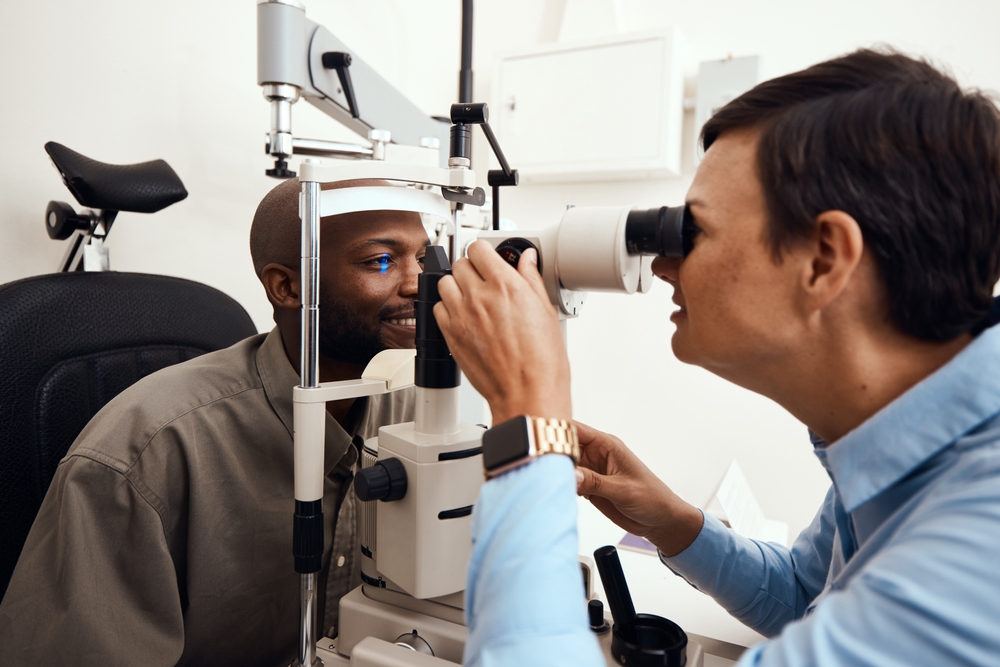
Ophthalmology is a specialized field of medicine dedicated to the diagnosis, treatment, and prevention of diseases and conditions affecting the eyes and the visual system. As one of the most critical senses, vision is integral to our daily activities, and any impairment can significantly impact our quality of life. Ophthalmologists are medical doctors who specialize in eye care and surgery, working to preserve and restore vision for people of all ages. With a combination of advanced technology, skilled surgical techniques, and a comprehensive understanding of ocular health, ophthalmology plays an essential role in helping individuals lead active, healthy lives.

What is Ophthalmology?

Ophthalmology is the medical branch that focuses on the study of the eyes and the prevention and treatment of related diseases. The term "ophthalmology" comes from the Greek words "ophthalmos" (eye) and "logos" (study). Ophthalmologists are highly trained medical professionals who are qualified to treat a wide range of eye-related issues, ranging from common refractive errors like nearsightedness to complex, life-threatening conditions such as retinal detachment and glaucoma.

Unlike optometrists, who focus primarily on vision correction and basic eye health, ophthalmologists are medical doctors who can diagnose, treat, and perform surgery on the eyes. Their expertise covers everything from minor issues like dry eyes to critical conditions that can lead to vision loss, making their role central to comprehensive eye care.

Key Areas of Ophthalmology

Ophthalmology is a broad field with many subspecialties. Some of the most prominent branches of ophthalmology include:

  1. Retina and Vitreous: Retina specialists focus on treating conditions affecting the retina, such as macular degeneration, diabetic retinopathy, and retinal detachment. These conditions are often progressive and can lead to permanent vision loss if not diagnosed and treated early. Retina specialists utilize high-tech imaging tools like Optical Coherence Tomography (OCT) to monitor the retina's health and guide treatment.

  2. Cornea and External Disease: The cornea is the transparent, dome-shaped surface at the front of the eye. Corneal specialists treat conditions like keratoconus (a condition in which the cornea thins and bulges) and dry eye disease. They may perform surgeries such as corneal transplants to restore vision.

  3. Glaucoma: Glaucoma is a group of diseases that damage the optic nerve, often due to increased intraocular pressure. This condition can lead to irreversible blindness if not treated. Glaucoma specialists use medications, laser treatments, and surgery to manage the disease and prevent further damage to the optic nerve.

  4. Cataracts: Cataracts occur when the natural lens of the eye becomes cloudy, leading to blurry vision. Cataract surgery is one of the most common and successful surgeries in ophthalmology. It involves the removal of the cloudy lens and replacing it with a clear, artificial intraocular lens (IOL), which restores vision.

  5. Pediatric 植入式隱形眼鏡價錢 : This subspecialty focuses on treating eye conditions in children, such as strabismus (misalignment of the eyes), amblyopia (lazy eye), and congenital cataracts. Early detection and treatment are crucial in children, as untreated eye conditions can result in permanent vision problems.

  6. Neuro-Ophthalmology: Neuro-ophthalmologists specialize in conditions where the eyes and the nervous system intersect. These include optic neuritis, double vision, and visual disturbances due to neurological diseases such as multiple sclerosis or brain tumors.

  7. Oculoplastic Surgery: Oculoplastic surgeons focus on reconstructive and cosmetic surgery of the eyelids, tear ducts, and the orbit (eye socket). This can include procedures to treat conditions like drooping eyelids (ptosis) or to repair damage from trauma.

Common Eye Conditions and Treatment

Ophthalmologists treat a wide range of eye diseases, many of which affect people as they age. Early diagnosis and intervention are key to preventing irreversible vision loss. Some of the most common conditions treated by ophthalmologists include:

  1. Refractive Errors: These are the most common types of vision problems, including myopia (nearsightedness), hyperopia (farsightedness), and astigmatism. They occur when the shape of the eye prevents light from focusing correctly on the retina. These conditions can be easily corrected with glasses, contact lenses, or surgical procedures such as LASIK.

  2. Cataracts: Cataracts are one of the most common age-related eye conditions. They develop when the eye's lens becomes cloudy, impairing vision. Cataract surgery is highly successful in restoring vision, and it involves removing the cloudy lens and replacing it with an artificial intraocular lens.

  3. Glaucoma: Glaucoma is a progressive eye disease that damages the optic nerve and can lead to blindness if left untreated. It is often caused by increased pressure inside the eye. Treatment usually involves prescription eye drops to lower eye pressure, laser treatment, or surgery to improve drainage of fluid in the eye.

  4. Age-Related Macular Degeneration (AMD): AMD affects the central part of the retina, known as the macula, leading to gradual loss of central vision. Though there is no cure, treatments such as anti-VEGF injections, laser therapy, and lifestyle changes can slow its progression.

  5. Diabetic Retinopathy: People with diabetes are at risk for diabetic retinopathy, a condition in which high blood sugar damages the blood vessels in the retina. Early detection through regular eye exams is vital, and treatment options may include laser therapy, injections, or surgery.

  6. Dry Eye Syndrome: Dry eyes occur when the eyes do not produce enough tears, or the tears evaporate too quickly. This condition can cause discomfort, redness, and blurred vision. Treatment options range from artificial tears to medications that promote tear production, as well as lifestyle changes and surgery in more severe cases.

  7. Strabismus: Strabismus, or crossed eyes, occurs when the eyes do not align properly. It can lead to double vision and, in children, amblyopia (lazy eye). Treatment may include corrective lenses, vision therapy, or surgery to realign the eyes.

Advancements in Ophthalmology

Ophthalmology is a constantly evolving field, with new technologies and treatments emerging to improve patient outcomes. Some of the most notable advancements include:

  1. Optical Coherence Tomography (OCT): OCT is a non-invasive imaging technique that provides high-resolution images of the retina, allowing ophthalmologists to diagnose and monitor conditions like macular degeneration, diabetic retinopathy, and glaucoma with incredible precision.

  2. Laser Vision Correction (LASIK): LASIK is a popular surgical procedure that corrects refractive errors such as myopia, hyperopia, and astigmatism. By reshaping the cornea using a laser, LASIK allows many people to reduce or eliminate their dependence on glasses or contact lenses.

  3. Gene Therapy: Gene therapy is an emerging treatment for inherited retinal diseases such as retinitis pigmentosa and Leber congenital amaurosis. This revolutionary approach aims to correct defective genes within retinal cells to prevent vision loss and even restore sight in some cases.

  4. Artificial Intelligence (AI) in Diagnostics: AI is making significant strides in ophthalmology by aiding in the detection and diagnosis of eye diseases. AI algorithms can analyze retinal images to identify early signs of diabetic retinopathy, glaucoma, and age-related macular degeneration, helping ophthalmologists detect diseases earlier and with greater accuracy.

  5. Minimally Invasive Surgeries: With advances in surgical techniques, ophthalmologists now perform many eye surgeries with smaller incisions and fewer complications. Procedures like microincisional cataract surgery and laser treatments for glaucoma are less invasive, with faster recovery times for patients.

Preventative Eye Care

While many eye conditions are treatable, prevention is always better than cure. Here are some steps individuals can take to protect their eye health:

  • Get Regular Eye Exams: Comprehensive eye exams are essential for detecting eye diseases like glaucoma, cataracts, and macular degeneration in their early stages, when treatment is most effective.

  • Protect Your Eyes from UV Radiation: Wearing sunglasses that block 100% of UV rays helps protect the eyes from sun damage, which can lead to cataracts and other eye issues.

  • Eat a Healthy Diet: A diet rich in antioxidants, vitamins, and minerals, such as those found in leafy greens, fish, and fruits, can help protect the eyes from age-related diseases like macular degeneration.

  • Quit Smoking: Smoking increases the risk of cataracts, macular degeneration, and other eye conditions. Quitting smoking can significantly reduce these risks.

  • Practice Proper Screen Habits: Prolonged screen time can lead to digital eye strain, resulting in discomfort and blurred vision. Taking regular breaks from screens, practicing the 20-20-20 rule, and adjusting screen settings can help reduce eye strain.

Conclusion

Ophthalmology is a rapidly advancing field that plays a crucial role in maintaining and improving vision health. Through a combination of expertise in medical treatment, advanced diagnostic tools, and surgical innovations, ophthalmologists are able to diagnose and manage a wide range of eye conditions. With early detection, modern treatments, and preventive care, many eye diseases can be effectively treated, preserving vision and enhancing quality of life. As research and technology continue to evolve, the future of ophthalmology holds the promise of even more breakthroughs that will help millions of people maintain healthy vision throughout their lives.

How To Fight Bed Bugs And Prevent Infestation?How To Fight Bed Bugs And Prevent Infestation?

Bedbugs (Cimex lectularius) belong to the flat bugs and are small, brown insects with the oval shape. The flat parasites nest in the sleeping-places of humans and animals and suck the blood of their hosts, whereby they can enlarge by a few millimeters.

Whether on vacation or at home, in the morning you are plagued by itchy pustules and bite marks, so it could be bed bug bites. The annoying parasites come with luggage from vacation trips to their homes or are brought into the apartment through antiques, second-hand furniture with upholstered elements or rugs. Fortunately, there are some ways to get rid of the insects. You can find out how to prevent, recognize and combat bed bugs on Thermaflow Heat.

Signs that you can have bedbugs

If you wake up with itchy skin areas that you did not have when you fell asleep, it is possible that you have bed bugs, especially if you recently bought some used furniture by the time the bites began. Other signs that you have bugs are:

  • Blood stains on your sheets or pillowcases
  • Dark or rusty stains from worm feces on sheets and mattresses, sheets and walls
  • Bug stains, egg shells or dandruff skins in areas where bugs hide
  • A strange, musty smell.

Bed Bug Bites: Symptoms

Usually, Bed bugs bites are found on the hands, shoulders, neck, legs, neck, and arms. Typically, the bites are grouped in a small area and can occur in a line or zigzag pattern or even a triangle. Bites usually look like small, flat or raised areas that can become inflamed, itchy and red. Bite reactions can sometimes take a few days.

Why are bed bugs in the house or in the apartment a problem?

The small insects have extremely unpleasant consequences for all inhabitants in their environment. They are attracted by body odor, body heat and the CO2 emissions of their hosts. The smell of dirty laundry lures you, so you should not leave your clothes on vacation on the floor. The parasites feed on blood and stab their victims. Since not every trick hits a blood vessel, bed bugs usually sting next to each other several times, so that whole "bug streets" can arise. The stitches cause unpleasant skin irritation, from itchy pustules to bloodshot wheals. In addition to humans, your pets can also be plagued by bed bugs.

Where do bed bugs hide? Where to look for them?

Usually, Bed bugs stay within 1 to 2 feet of where they would live and as they suck blood their victims during sleeping time, it is most common to have an infestation in the bedroom. Some of the most common places they are found are as follows:

  • Box spring
  • Lie
  • Headboard and / or bed frame
  • Walls
  • Bedside table / chests of drawers
  • Curtains
  • Under carpets and rugs
  • Coffee table

Fighting Bed Bugs In 7 Steps

Once the suspicion of bed bug infestation has been confirmed, the second phase begins: fighting bed bugs.

Anyone who does not know anything at all as a layman, has little time for a detailed search and implementation of recommended methods of control, as well as being financially secure, should definitely consider contacting a professional pest controller.

Fight Bed Bugs – Overview of Methods & Means

In order to fight effectively bed bugs, different methods and means are used. There is not the "miracle solution" for the bed bug problem, but above all, the application of a combination of the different remedies for bedbugs can lead to sustainable success.

It is divided into the three main areas of action against the unruly pests. However, it does not claim to be complete, but rather serves as an overview of what can be done or used against bedbugs in principle. The methods and remedies used for bedbugs are summarized in the following.

Recognize Bed Bugs:

  • Check signs for bed bug infestation
  • Bed Bug Monitors
  • Bed Bug Dogs
  • ( Bed bug barriers )

Fight Bed Bugs.

  • Insecticides / pesticides
  • Vacuum
  • Heat Treatment
  • Cold Treatment

Prevent Bed Bugs

  • Room check when traveling
  • Luggage protection from bedbugs
  • Luggage check before returning
  • Checking purchased second-hand items, Impregnated materials Bedbugs barriers

Fight Bed Bugs – Step By Step

Now for the elaborate part: So if you think that bed bugs should have made their way through their own four walls due to luggage, used objects or some other reason, then you can think about the following step by step approach to fighting bed bugs.

What means you ultimately want and can use depends on you. Keep in mind, however, that bedbugs are very unruly little insects and that they could spread through ill-considered behavior.

1. Detect bed bugs

First, you should definitely be sure that it is actually bed bugs. Many people who have come in contact with bed bugs, want to avoid necessarily to carry bed bugs within your own home.

If you're like me, then you'll understand that you can quickly get a bit paranoid.

Finally, it is possible that you will not see the reaction of your body to the bed bug bites from a journey until a few days later. If you're happy, you did not bring the living bed bugs.

2. Analysis Bed Bug Problem

If the suspicion is confirmed, it makes sense to think about possible causes and extent of the bed bug problem.

You should also consider which funds you have available for bedbugs, which funds you might want to buy, or if you'd better get a pro to fight bedbugs for help.

  • When did it start?
  • Who will be bitten? How many bites?
  • Which rooms could be affected?
  • What could be the cause?
  • Which possibilities of bedbug control do I have?
  • Should I use a professional pest controller?

3. Clean up

The fewer hiding places bed bugs have, the better. Therefore, first clear ship before action is taken. It facilitates the further procedure.

The chances are not so bad that the bedbugs have "only" made themselves comfortable in and around your bed. At least if the infestation has not progressed too far.

In addition, you can better watch where they crawl, if you give them the chance to flee while fighting bedbug

During the cleanup process but no untreated things just in other rooms clear. This can lead to a further spread of the bed bugs, if somewhere a few bed bugs.

4. Wash clothes

If you bump into bedbugs when cleaning up and vacuuming your wardrobe, you can wash your clothes at a minimum of 50 ° C and, if necessary, put them in the tumble dryer afterwards.

Store your clothes in a separate location until the end of your room's bug bed treatment, like as in a storage box made of plastic boxes or in large trash bags that are best sealed airtight.

5. Handle non-washable items

This is a bit more difficult. One possibility is to individually rid the objects of top scents bed bugs hate and bed bug eggs.

These are depending on the subject of various means such as the vacuum cleaner, steam, diatomaceous earth, No-Pest Strips, a special anti-bed bug / anti-insect spray or others.

6. Heat Treatment

As pests become more resistant to traditional chemical control methods, heat treatment has become a recognized and reliable tool in the pest control industry.

A temperature of about 52 ° C may be sufficient to kill bed bugs. The temperature range of heat treatment is even between 56 – 60 ° C. This will drastically increase the likelihood of successfully combating bedbugs. after all, you want to eliminate the problem once and for all.

7. Regular inspection

Even if an expert pest controller has been hired for the problem, a bed bug infestation is rarely resolved in treatment.

Therefore, it is important to monitor the affected room for an extended period of time for signs of live bed bugs and to repeat some of the treatment steps.