

Yndy Designs Health & Fitness Best Restaurants In Dubai Marina: Stunning Views And Delicious Food

Best Restaurants In Dubai Marina: Stunning Views And Delicious Food


Dubai Marina is far-famed for its breathtaking skyline, indulgent life-style, and spirited dining scene. For food lovers and sightseers alike, this waterfront district offers a unusual immingle of surprising views and Delicious culinary art, making it one of the city s most sought-after-after dining destinations. Whether you are looking for a romanticist spot, a unplanned brunch venue, or a racy point to up with friends, Dubai Marina s restaurants provide a variety show of options that to every smack and occasion.

One of the shaping features of in Dubai Marina is the spectacular view. The Marina s shimmering Ethel Waters, lined with yachts and high-rise towers, produce a eye-popping backdrop that enhances any meal. Many restaurants shoot a line outside terraces or blow out of the water-to-ceiling windows, allowing diners to soak in the ambience while enjoying their food. This of cancel peach and Bodoni font architecture sets the present for unforgettable dining experiences, whether during the happy hour of sundown or under the city s split second Night lights.

Among the top choices in the Marina, several restaurants stand up out for their exceptional menus and panoramic views. Some offer international cuisines that range from Mediterranean to Asian spinal fusion, showcasing the of Dubai s cooking landscape. These establishments focalise not only on taste but also on presentation, using fresh ingredients and innovational cooking techniques. Diners can cosset in everything from absolutely grilled seafood to decadent desserts, all crafted to delight the palate and the set milieu.

Seafood lovers find Dubai new marina restaurant particularly likable, as many restaurants specialize in ne catches sourced from the Arabian Gulf. Whether you prefer classic dishes like broiled hammour or adventuresome offerings such as sushi and sashimi platters, the Marina s seafood restaurants deliver timbre and flavor. The freshness of the seafood, cooperative with training, elevates the dining see and makes it a highlight for locals and tourists alike.

In plus to seafood, the preparation view in Dubai Marina is enriched by a variety show of international flavors. Italian trattorias answer trusty pasta and wood-fired pizzas, while Middle Eastern eateries volunteer traditional mezze and kebabs infused with redolent spices. Asian culinary art enthusiasts can taste dishes from Thai, Japanese, and Indian kitchens, each eating place delivery its own flair and genuineness to the table. This school of thought food scene reflects Dubai s planetary nature and its openness to various culinary traditions.

Ambiance is another of import view of dining in Dubai Marina. Many restaurants boast mod interiors, elegant lighting, and comfortable seating room that encourage rest and conversation. Whether dining inside with a chic urban vibe or outside on a lively terrasse dominating the irrigate, guests can an atmosphere that enhances the overall enjoyment of their meal. Some venues also cater live medicine or DJ performances, adding an extra stratum of entertainment for those looking to make their evening even more special.

For those seeking a indulgent dining see, Dubai Marina does not disappoint. Several high-end restaurants volunteer gastronome menus crafted by famous chefs, paired with wine lists and impeccable serve. These venues often cater to specialised occasions, providing common soldier suite or scoop sections for an intimate gather. The of exquisite food, heedful serve, and breathless views makes these restaurants perfect for celebrations, stage business dinners, or plainly indulgence in a Night of cookery excellence.

Casual options are equally fruitful in Dubai Marina, offer relaxed settings where guests can timbre food without the formalness. Cafes and bistros serve a straddle of dishes from sound salads and gastronome sandwiches to soothe food favorites. These muscae volitantes are nonpareil for a quickly tiffin, a java wear off, or a laid-back dinner while watching the Marina s spirited promenade. The casual vibe makes it easy for visitors to unwind and soak up the energy of the area.

Dubai Marina s restaurants also invoke to wellness-conscious diners and those with particular dietary preferences. Many establishments offer vegan, vegetarian, gluten-free, and other specialised menus, ensuring that everyone can find something Delicious and solid. The focalize on ne, wholesome ingredients aligns with the modern font trend toward heedful eating, allowing guests to enjoy flavorful meals that support their health goals.

One cannot overlea the mixer panorama of dining in Dubai Marina. The area attracts a diverse push, from families and couples to expatriates and tourists. This melting pot creates a moral force and spirited atm where people come together to good food and company. Whether it s a weekend brunch with friends or a sunset cocktail followed by , the Marina s restaurants ply the perfect setting for socialising and making stable memories.

Location is key when choosing a eating place in Dubai Marina. Many eateries are conveniently settled along the Marina Walk or within luxuriousness hotels, offer easy access and colourful surroundings. The proximity to the water substance diners can often watch the boats glide by or admire the city horizon, adding a touch of serenity to the dining go through. For those who appreciate the open air, al fresco options abound, making the most of Dubai s mild climate for much of the year.

In termination, Dubai Marina stands out as a premiere terminus for those quest the hone intermingle of surprising views and Delicious food. Its restaurants offer a rich variety show of preparation experiences set against one of the most beautiful urban waterfronts in the world. From ne seafood and International flavors to luxurious gourmet and casual cafes, the Marina caters to every palate and occasion. Dining here is not just about alimentation; it is about relishing a life-style where , season, and atmosphere come together in hone musical harmony.

Leave a Reply

Your email address will not be published. Required fields are marked *

Related Post

The Skill Behind Dispensary Cannabis TerpenesThe Skill Behind Dispensary Cannabis Terpenes

Cannabis is much more than just THC and CBD. If you ve ever walked into a dispensary and been captivated by the smell up of fresh blossom, you ve already older terpenes at work. These aromatic compounds are what give ganja its unusual scents and flavors from citrusy and sweetness to earthy and piney. But terpenes are far more than just a sensorial delight. They play a crucial role in the overall personal effects of cannabis, influencing mood, repose, focalize, and even creativeness. Understanding the skill behind marihuana terpenes can transform the way you select and marijuana products.

What Are Terpenes?

Terpenes are of course occurring organic compounds found in many plants, not just marijuana. They are responsible for the scen of pine forests, lavender W. C. Fields, and citrus tree fruits. In cannabis, over 200 terpenes have been identified, each with its own distinctive profile and potency effects.

Terpenes work in harmony with cannabinoids like THC and CBD in what scientists call the cortege effect. This synergy can raise or qualify the effects of marihuana, qualification each try unusual in both go through and curative potency.

The Science of Terpenes

From a chemical view, terpenes are classified ad as hydrocarbons made up of repetition isoprene units. These moderate molecules are fickle, which is why they vaporise and carry scent so promptly. Terpenes can the profligate-brain roadblock, substance they have the potentiality to interact with receptors in the tense system and regulate mood and perception.

Research into ganja terpenes is still in its early stages, but studies propose they may put up to:

  • Relaxation and stress succor: Terpenes like myrcene and linalool are known for their appeasement and sedative drug effects.

  • Energy and focus on: Citrus-based terpenes such as limonene can lift up mood and better focus on.

  • Pain and inflammation relief: Beta-caryophyllene has been premeditated for its potency anti-inflammatory properties.

  • Anti-anxiety effects: Pinene, a terpene base in pine and Rosmarinus officinalis, may help with watchfulness and anxiousness simplification.

These personal effects are often subtle, but united with cannabinoids, they contribute to the overall see and curative benefits of a dispensary near me product.

How Terpenes Influence Your Dispensary Experience

When you visit a , paying tending to terpenes can help you take the right product for your craved effect. Most dispensaries now provide lab-tested terpene profiles for each stress. Here s how to use that entropy:

  • Identify your goal: Are you looking to relax, energize, focus on, or finagle pain?

  • Check the terpenes: Each try lists its primary feather terpenes, which can steer your expectations.

  • Pair terpenes with cannabinoids: The of THC, CBD, and particular terpenes determines the overall set up.

  • Experiment mindfully: Everyone s endocannabinoid system of rules is different, so subjective go through matters. Keep notes to see what works best for you.

  • Understanding terpene profiles transforms marihuana shopping from a guessing game into a more hip and personalized go through.

    Popular Cannabis Terpenes and Their Effects

    Some commons terpenes you ll run into at a dispensary admit:

    • Myrcene: Earthy and fragrant, often associated with relaxation and sleepiness.

    • Limonene: Citrus-scented, energizing, and mood-lifting.

    • Linalool: Floral and lavender-like, calming and anti-anxiety.

    • Pinene: Pine odor, promotes alertness and memory retention.

    • Beta-caryophyllene: Spicy and tasty, potentiality anti-inflammatory properties.

    Learning to read these profiles helps consumers experiences that match their needs whether it s unreeling after a long day or staying focussed during yeasty work.

    Beyond Smell: Terpenes and Health

    While terpenes are often mentation of in price of aroma and taste, their therapeutic potential is more and more established. Researchers are exploring how terpenes interact with the endocannabinoid system of rules and other neurotransmitter systems in the body. Early prove suggests that certain terpenes may subscribe immune function, tighten redness, ease pain, and kick upstairs mental lucidity.

    This doesn t mean terpenes are a thaumaturgy root, but they are an evidentiary part of the holistic personal effects of marihuana. Consumers who sympathise terpenes can make more wise to decisions and tailor their marijuana use to subjective health goals.

    Final Thoughts

    Terpenes are the unappreciated heroes of the marihuana plant. They not only define the season and odor of your favourite strains but also shape your see, influencing rest, focus on, mood, and more. In dispensaries today, lab-tested terpene profiles gift consumers to make smarter choices, sexual unio cannabinoids with terpenes for a personal experience.

    Next time you pick up marijuana at a dispensary, take a moment to explore the terpene profile. Smell, smack, and learn which terpenes vibrate with you. Understanding the science behind these aromatic compounds opens the door to a more reminiscent, pleasant, and operational marihuana travel.

    The Grandness Of Women’s Wellness Promoting Well-being For AllThe Grandness Of Women’s Wellness Promoting Well-being For All

    Women’s wellness is a indispensable make out that affects the overall well-being of beau monde. It is not only necessary for mortal women to maintain good health, but it also has significant personal effects on their families, communities, and finally, the economy. Women’s wellness encompasses natural science, mental, and sociable aspects, and it is material to pay aid to all three dimensions to attain optimal wellness and well-being for women. In this clause, we will search the various factors that put up to women’s health and the importance of promoting it.

    Physical Health

    When it comes to physical health, women have unique needs and challenges that want proper care and aid. Regular -ups, screenings, and preventive care are necessary to see to it that women are in good physical health. This includes maintaining a healthy weight, exercise regularly, and eating a well-balanced diet. Women also have specific wellness concerns such as generative wellness, menopause, and breast and orifice cancer that want specialized care. Investing in preventative measures and addressing wellness issues early on on can significantly improve women’s overall physical wellness and tighten the risk of prolonged diseases later on in life.

    Mental Health

    Mental wellness is another crucial vista of women’s wellness that often gets overlooked. Women are more likely than men to see unhealthy wellness disorders such as anxiousness and depression. This can be due to various factors, including secretion changes, social pressures, and sexuality-based discrimination. Mental health issues can have a considerable impact on a woman’s timbre of life and can even lead to physical wellness concerns if left unstained. It is vital for women to prioritise their mental well-being, seek help when needed, and rule out the mark encompassing mental health.

    Social Health

    Social wellness refers to the timber of an mortal’s relationships, sociable support systems, and feel of belonging. Women often bear the responsibility of lovingness for their families, which can be physically and emotionally heavy. As a result, they may leave out their own social needs and well-being. However, it is material for women to have a healthy and adjunct sociable network to wield good mental and emotional wellness. Friendships, crime syndicate support, and active in activities can all contribute to women’s mixer health and raise their overall well-being.

    The Importance of Education and Access to Healthcare

    Education and get at to healthcare play a significant role in promoting women’s health. Women who are knowing about their wellness and have access to quality healthcare services are more likely to take care of themselves and seek help when necessary. It is requisite to supply women with the necessary resources and information to make advised decisions about their health. This includes promoting sexual and procreative health education, providing access to contraception and syndicate provision services, and addressing wellness disparities and inequalities that survive for women from marginalized communities.

    The Empowering Effect of Women’s Health

    Investing in women’s wellness is not only salutary for individual women, but it also has a ripple set up on high society. When women are healthy and empowered, they are more likely to take part in the workforce, put up to the thriftiness, and make positive changes in their communities. Healthier women also mean fitter families and children, as women are often the primary caregivers in households. By promoting women’s wellness, we can produce a healthier and more evenhanded society for all.

    In Conclusion

    In termination, women’s wellness is a multi-dimensional issue that requires aid and litigate from all levels of smart set. It is requirement to recognize the unusual needs and challenges of women and provide them with the necessary resources and subscribe to achieve best health and well-being. By investment in 女性衛生清潔液 , we can make formal changes that will benefit not only someone women but also the large high society as a whole.

    Medical Beauty: Redefining the Pursuit of Aesthetic EnhancementMedical Beauty: Redefining the Pursuit of Aesthetic Enhancement

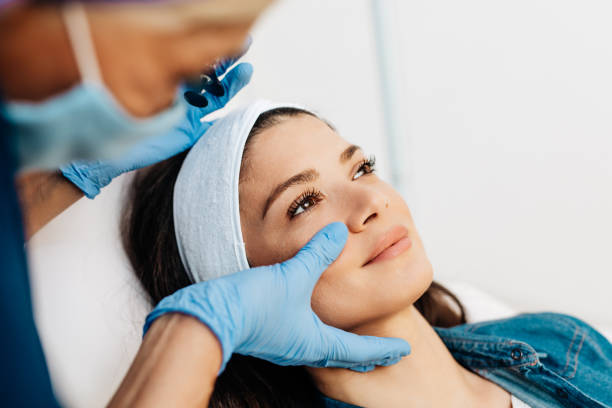
    The concept of beauty has evolved over time, shifting from natural beauty ideals to a world where enhanced beauty is within reach for anyone. Medical beauty, a dynamic fusion of medical science and aesthetic enhancement, has emerged as a major force within the beauty industry, offering individuals innovative solutions for improving their appearance. With a broad array of non-surgical treatments that target everything from skin health to body contouring, medical beauty has become a go-to choice for those seeking a rejuvenated, youthful look without the need for invasive procedures.

    So, what exactly is medical beauty, and how does it differ from traditional beauty treatments? Let's explore this booming industry and uncover how it has changed the way we approach beauty.

    Understanding Medical Beauty

    Medical beauty, often referred to as aesthetic medicine, encompasses a variety of non-surgical treatments designed to enhance or restore one's appearance. While the term "beauty" traditionally implied skincare and cosmetic products, medical beauty involves treatments that are performed by licensed medical professionals, such as dermatologists, plastic surgeons, or specially trained aestheticians. These treatments often utilize advanced technologies or injectables, aiming for results that are subtle, natural-looking, and long-lasting.

    What sets medical beauty apart from conventional beauty treatments like facials, manicures, or makeup is that these procedures address aesthetic concerns with a clinical approach. Whether it's smoothing fine lines, improving skin texture, or reshaping the body, medical beauty treatments aim to improve an individual’s overall appearance with minimal downtime and risk.

    Why Medical Beauty Is Gaining Popularity

    The rise of medical beauty treatments reflects a shift in how we view beauty and wellness. Here are several reasons why medical beauty has grown in popularity:

    1. Non-Invasive Solutions

    Traditional beauty procedures often involve topical products or manual techniques, but many of the treatments offered by medical beauty are non-invasive or minimally invasive. There is little to no recovery time needed for procedures such as Botox injections, dermal fillers, and laser treatments, which make them incredibly appealing to those with busy lifestyles.

    2. Customized Treatment Plans

    Medical beauty professionals can tailor treatments to suit each individual’s specific concerns and aesthetic goals. Whether it's correcting pigmentation issues, enhancing facial volume, or tightening skin, medical beauty allows for personalized solutions that take the client's unique features into account.

    3. Quick Results with Minimal Downtime

    Unlike surgical procedures that require weeks or months of recovery, many medical beauty treatments provide quick results with minimal downtime. Botox and dermal filler treatments, for example, take only minutes to perform and offer noticeable results within a few days, allowing individuals to enjoy their rejuvenated appearance without taking time off work or other activities.

    4. Long-Lasting Effects

    While traditional beauty treatments like facials or hair removal offer short-term results, many medical beauty procedures provide longer-lasting outcomes. For instance, results from Botox last three to six months, while dermal fillers can last up to a year or longer. Even non-surgical body contouring procedures like CoolSculpting can offer long-lasting fat reduction with proper maintenance.

    Popular Medical Beauty Treatments

    Medical beauty is a vast field that encompasses a range of treatments, from skincare rejuvenation to body shaping. Here are some of the most sought-after procedures in the medical beauty industry:

    1. Injectables: Botox and Fillers

    Botox and other neuromodulators like Dysport and Xeomin are the most popular injectables in aesthetic medicine. Botox works by temporarily relaxing the muscles that cause wrinkles, helping to smooth out fine lines, particularly on the forehead, around the eyes, and between the brows. Dermal fillers, on the other hand, are used to restore volume to the face, enhancing areas like the cheeks, lips, and under the eyes. They can also be used to smooth out deep wrinkles and folds.

    2. Laser Skin Treatments

    Laser treatments have become one of the most advanced and effective ways to address various skin concerns. Some popular types of laser treatments include:

    • Laser Skin Resurfacing: This treatment removes damaged layers of skin and stimulates collagen production to improve skin texture and reduce signs of aging, acne scars, and hyperpigmentation.
    • Laser Hair Removal: A popular solution for long-term hair removal, laser hair removal uses targeted light to disable hair follicles and prevent future growth.
    • Tattoo Removal: Lasers can also be used to break down ink particles, offering an effective solution for unwanted tattoos.

    3. Chemical Peels

    A chemical peel involves the application of a chemical solution to the skin, which exfoliates the surface and removes dead skin cells. This treatment helps to address acne, hyperpigmentation, and wrinkles by encouraging the skin to regenerate and reveal smoother, healthier skin underneath. Chemical peels can vary in strength from mild to deep, depending on the desired results.

    4. Microneedling (Collagen Induction Therapy)

    Microneedling uses tiny needles to create micro-injuries in the skin, stimulating the body's natural healing process and boosting collagen and elastin production. This treatment is effective for reducing the appearance of fine lines, acne scars, and stretch marks, while also improving overall skin texture and tone. Microneedling can also be combined with PRP (platelet-rich plasma) therapy for enhanced rejuvenation.

    5. Non-Surgical Fat Reduction

    Non-invasive fat reduction procedures like CoolSculpting and SculpSure use controlled cooling or heat to target stubborn fat cells. These treatments are ideal for people who struggle with localized fat deposits, particularly around the abdomen, thighs, or flanks. The fat cells are gradually eliminated by the body, resulting in a more contoured appearance without the need for surgery.

    6. PRP Therapy (Platelet-Rich Plasma)

    PRP therapy is gaining popularity for its ability to rejuvenate both the skin and scalp. This procedure involves drawing a small amount of the patient’s blood, processing it to concentrate the platelets, and then injecting the PRP into areas such as the face or scalp. PRP stimulates collagen production, accelerates healing, and promotes hair growth, offering a natural solution for those looking to restore their youthful glow or combat hair loss.

    The Benefits of Medical Beauty

    The combination of expertise and technology in medical beauty offers several key benefits over traditional 膠原蛋白針香港 treatments:

    2. Customized Treatment Plans

    0

    Medical beauty procedures are designed to address specific concerns, such as deep wrinkles, volume loss, acne scars, or stubborn fat. This targeted approach helps clients achieve more precise and customized results.

    2. Customized Treatment Plans

    1

    While no medical procedure is entirely risk-free, non-surgical medical beauty treatments are generally considered safe when performed by trained professionals. The risks associated with these treatments are lower compared to invasive cosmetic surgery, making them an attractive option for many individuals.

    2. Customized Treatment Plans

    2

    The ultimate goal of medical beauty treatments is to help individuals feel more confident and comfortable in their own skin. Whether it's smoothing fine lines or improving skin texture, these treatments offer both physical and emotional benefits, enhancing self-esteem and quality of life.

    The Future of Medical Beauty

    As the field of medical beauty continues to evolve, new technologies, treatments, and innovations are emerging to further enhance the options available to clients. The integration of artificial intelligence (AI) and machine learning is set to play a huge role in providing personalized treatment plans and optimizing results. Additionally, as the demand for non-invasive options grows, we can expect even more advanced and effective treatments to become widely available.

    Conclusion

    Medical beauty has revolutionized the way we think about cosmetic enhancement. By offering non-surgical, personalized treatments that provide long-lasting, natural-looking results, medical beauty has become a go-to choice for individuals looking to improve their appearance without the commitment and risk of surgery. With an ever-expanding array of treatments, and continued technological advancements, medical beauty is poised to be at the forefront of the beauty industry for years to come. Whether you are interested in rejuvenating your skin, sculpting your body, or restoring volume, medical beauty offers an accessible, effective path to achieving your aesthetic goals.

    Ophthalmology: The Science of Eye Health and Vision RestorationOphthalmology: The Science of Eye Health and Vision Restoration

    Ophthalmology is a specialized field of medicine dedicated to the diagnosis, treatment, and prevention of diseases and conditions affecting the eyes and the visual system. As one of the most critical senses, vision is integral to our daily activities, and any impairment can significantly impact our quality of life. Ophthalmologists are medical doctors who specialize in eye care and surgery, working to preserve and restore vision for people of all ages. With a combination of advanced technology, skilled surgical techniques, and a comprehensive understanding of ocular health, ophthalmology plays an essential role in helping individuals lead active, healthy lives.

    What is Ophthalmology?

    Ophthalmology is the medical branch that focuses on the study of the eyes and the prevention and treatment of related diseases. The term "ophthalmology" comes from the Greek words "ophthalmos" (eye) and "logos" (study). Ophthalmologists are highly trained medical professionals who are qualified to treat a wide range of eye-related issues, ranging from common refractive errors like nearsightedness to complex, life-threatening conditions such as retinal detachment and glaucoma.

    Unlike optometrists, who focus primarily on vision correction and basic eye health, ophthalmologists are medical doctors who can diagnose, treat, and perform surgery on the eyes. Their expertise covers everything from minor issues like dry eyes to critical conditions that can lead to vision loss, making their role central to comprehensive eye care.

    Key Areas of Ophthalmology

    Ophthalmology is a broad field with many subspecialties. Some of the most prominent branches of ophthalmology include:

    1. Retina and Vitreous: Retina specialists focus on treating conditions affecting the retina, such as macular degeneration, diabetic retinopathy, and retinal detachment. These conditions are often progressive and can lead to permanent vision loss if not diagnosed and treated early. Retina specialists utilize high-tech imaging tools like Optical Coherence Tomography (OCT) to monitor the retina's health and guide treatment.

    2. Cornea and External Disease: The cornea is the transparent, dome-shaped surface at the front of the eye. Corneal specialists treat conditions like keratoconus (a condition in which the cornea thins and bulges) and dry eye disease. They may perform surgeries such as corneal transplants to restore vision.

    3. Glaucoma: Glaucoma is a group of diseases that damage the optic nerve, often due to increased intraocular pressure. This condition can lead to irreversible blindness if not treated. Glaucoma specialists use medications, laser treatments, and surgery to manage the disease and prevent further damage to the optic nerve.

    4. Cataracts: Cataracts occur when the natural lens of the eye becomes cloudy, leading to blurry vision. Cataract surgery is one of the most common and successful surgeries in ophthalmology. It involves the removal of the cloudy lens and replacing it with a clear, artificial intraocular lens (IOL), which restores vision.

    5. Pediatric 植入式隱形眼鏡價錢 : This subspecialty focuses on treating eye conditions in children, such as strabismus (misalignment of the eyes), amblyopia (lazy eye), and congenital cataracts. Early detection and treatment are crucial in children, as untreated eye conditions can result in permanent vision problems.

    6. Neuro-Ophthalmology: Neuro-ophthalmologists specialize in conditions where the eyes and the nervous system intersect. These include optic neuritis, double vision, and visual disturbances due to neurological diseases such as multiple sclerosis or brain tumors.

    7. Oculoplastic Surgery: Oculoplastic surgeons focus on reconstructive and cosmetic surgery of the eyelids, tear ducts, and the orbit (eye socket). This can include procedures to treat conditions like drooping eyelids (ptosis) or to repair damage from trauma.

    Common Eye Conditions and Treatment

    Ophthalmologists treat a wide range of eye diseases, many of which affect people as they age. Early diagnosis and intervention are key to preventing irreversible vision loss. Some of the most common conditions treated by ophthalmologists include:

    1. Refractive Errors: These are the most common types of vision problems, including myopia (nearsightedness), hyperopia (farsightedness), and astigmatism. They occur when the shape of the eye prevents light from focusing correctly on the retina. These conditions can be easily corrected with glasses, contact lenses, or surgical procedures such as LASIK.

    2. Cataracts: Cataracts are one of the most common age-related eye conditions. They develop when the eye's lens becomes cloudy, impairing vision. Cataract surgery is highly successful in restoring vision, and it involves removing the cloudy lens and replacing it with an artificial intraocular lens.

    3. Glaucoma: Glaucoma is a progressive eye disease that damages the optic nerve and can lead to blindness if left untreated. It is often caused by increased pressure inside the eye. Treatment usually involves prescription eye drops to lower eye pressure, laser treatment, or surgery to improve drainage of fluid in the eye.

    4. Age-Related Macular Degeneration (AMD): AMD affects the central part of the retina, known as the macula, leading to gradual loss of central vision. Though there is no cure, treatments such as anti-VEGF injections, laser therapy, and lifestyle changes can slow its progression.

    5. Diabetic Retinopathy: People with diabetes are at risk for diabetic retinopathy, a condition in which high blood sugar damages the blood vessels in the retina. Early detection through regular eye exams is vital, and treatment options may include laser therapy, injections, or surgery.

    6. Dry Eye Syndrome: Dry eyes occur when the eyes do not produce enough tears, or the tears evaporate too quickly. This condition can cause discomfort, redness, and blurred vision. Treatment options range from artificial tears to medications that promote tear production, as well as lifestyle changes and surgery in more severe cases.

    7. Strabismus: Strabismus, or crossed eyes, occurs when the eyes do not align properly. It can lead to double vision and, in children, amblyopia (lazy eye). Treatment may include corrective lenses, vision therapy, or surgery to realign the eyes.

    Advancements in Ophthalmology

    Ophthalmology is a constantly evolving field, with new technologies and treatments emerging to improve patient outcomes. Some of the most notable advancements include:

    1. Optical Coherence Tomography (OCT): OCT is a non-invasive imaging technique that provides high-resolution images of the retina, allowing ophthalmologists to diagnose and monitor conditions like macular degeneration, diabetic retinopathy, and glaucoma with incredible precision.

    2. Laser Vision Correction (LASIK): LASIK is a popular surgical procedure that corrects refractive errors such as myopia, hyperopia, and astigmatism. By reshaping the cornea using a laser, LASIK allows many people to reduce or eliminate their dependence on glasses or contact lenses.

    3. Gene Therapy: Gene therapy is an emerging treatment for inherited retinal diseases such as retinitis pigmentosa and Leber congenital amaurosis. This revolutionary approach aims to correct defective genes within retinal cells to prevent vision loss and even restore sight in some cases.

    4. Artificial Intelligence (AI) in Diagnostics: AI is making significant strides in ophthalmology by aiding in the detection and diagnosis of eye diseases. AI algorithms can analyze retinal images to identify early signs of diabetic retinopathy, glaucoma, and age-related macular degeneration, helping ophthalmologists detect diseases earlier and with greater accuracy.

    5. Minimally Invasive Surgeries: With advances in surgical techniques, ophthalmologists now perform many eye surgeries with smaller incisions and fewer complications. Procedures like microincisional cataract surgery and laser treatments for glaucoma are less invasive, with faster recovery times for patients.

    Preventative Eye Care

    While many eye conditions are treatable, prevention is always better than cure. Here are some steps individuals can take to protect their eye health:

    • Get Regular Eye Exams: Comprehensive eye exams are essential for detecting eye diseases like glaucoma, cataracts, and macular degeneration in their early stages, when treatment is most effective.

    • Protect Your Eyes from UV Radiation: Wearing sunglasses that block 100% of UV rays helps protect the eyes from sun damage, which can lead to cataracts and other eye issues.

    • Eat a Healthy Diet: A diet rich in antioxidants, vitamins, and minerals, such as those found in leafy greens, fish, and fruits, can help protect the eyes from age-related diseases like macular degeneration.

    • Quit Smoking: Smoking increases the risk of cataracts, macular degeneration, and other eye conditions. Quitting smoking can significantly reduce these risks.

    • Practice Proper Screen Habits: Prolonged screen time can lead to digital eye strain, resulting in discomfort and blurred vision. Taking regular breaks from screens, practicing the 20-20-20 rule, and adjusting screen settings can help reduce eye strain.

    Conclusion

    Ophthalmology is a rapidly advancing field that plays a crucial role in maintaining and improving vision health. Through a combination of expertise in medical treatment, advanced diagnostic tools, and surgical innovations, ophthalmologists are able to diagnose and manage a wide range of eye conditions. With early detection, modern treatments, and preventive care, many eye diseases can be effectively treated, preserving vision and enhancing quality of life. As research and technology continue to evolve, the future of ophthalmology holds the promise of even more breakthroughs that will help millions of people maintain healthy vision throughout their lives.

    Top Nutrients For Eye Health: What To Eat To Exert Visual SensationTop Nutrients For Eye Health: What To Eat To Exert Visual Sensation

    Maintaining clear vision and optimum eye health goes beyond habitue eye check-ups and proper hygienics; it also involves nutritive the eyes with the right nutrients. The foods you squander play a material role in protecting and enhancing eye go, helping to ward off green issues like age-related macular degeneration, cataracts, and dry eyes. Certain vitamins, minerals, and antioxidants are known for their deep affect on visual sensation. Below are some of the top nutrients you should let in in your diet for long-lasting eye wellness.

    Vitamin A is one of the most well-known nutrients for eye health. It plays a polar role in maintaining the function of the retina, the light-sensitive stratum of the eye. Vitamin A helps to form rhodopsin, a pigment that allows the retina to absorb get down, making it necessity for night vision. Deficiency in vitamin A can lead to Nox sightlessness and other vision impairments. Foods rich in vitamin A admit carrots, sweet potatoes, spinach, kale, and other fan-leaved green vegetables, as well as eggs and liver. The food is often used-up in the form of beta-carotene, which the body converts into active voice vitamin A.

    Vitamin C, a mighty antioxidant, is another necessity food for eye health. It helps protect the eyes from damage caused by free radicals, which can lead to cataracts and age-related macular degeneration(AMD). Vitamin C supports the wellness of profligate vessels in the eyes and helps to prevent aerophilous stress, which can involve the lens and retina. Citrus fruits like oranges, lemons, and grapefruits are first-class sources of vitamin C, along with bell peppers, Brassica oleracea italica, strawberries, and tomatoes.

    Vitamin E is yet another antioxidant that supports eye wellness by protecting the eyes from oxidative . It helps to maintain the wellness of the cornea and may reduce the risk of cataracts and macular retrogression. Foods rich in vitamin E include nuts(especially almonds), helianthus seeds, Spinacia oleracea, and avocado tree. Incorporating these foods into your diet can subscribe long-term eye wellness and protect against various age-related optical store conditions.

    Lutein and Zeaxanthin, two powerful antioxidants found in green silver-leaved vegetables, are also material for eye health. These carotenoids are concentrated in the retina, particularly in the macula, where they help trickle pernicious blue light and protect the retina from aerophilic stress. Regular consumption of xanthophyll and zeaxanthin-rich foods such as kale, spinach, corn, and eggs may help tighten the risk of developing age-related macular retrogression(AMD) and cataracts. Studies have shown that diets high in these carotenoids can better contrast sensitiveness and visible sharp-sightedness, especially in older adults.

    Omega-3 Fatty Acids are requirement for maintaining the overall health of the eyes, particularly the retina. They help tighten redness and dry eye symptoms and may also protect against macular degeneration and retinopathy. Omega-3s are preponderantly establish in butterball fish such as salmon, mackerel, and sardines. Plant-based sources like flaxseeds, chia seeds, and walnuts also cater Z-3s, specifically in the form of important-linolenic acid(ALA).

    Zinc is a stuff that plays a considerable role in the operation of enzymes in the eyes, serving to maintain the health of the retina and support Night visual sensation. Zinc deficiency has been joined to an hyperbolic risk of macular degeneration. Zinc is abounding in foods such as oysters, beef, Cucurbita pepo seeds, lentils, and chickpeas. By including these zinc-rich foods in your diet, you can help safe-conduct your eye wellness.

    In ending, the foods you consume can greatly influence the health of your eyes. A diet rich in vitamins A, C, and E, along with key nutrients like xanthophyl, zeaxanthin, Z-3 roly-poly acids, and zinc, can ply a cancel shield against age-related eye conditions. By incorporating a variety of these nutrients into your meals, you can promote clear visual sensation and exert healthy eyes for old age to come.