
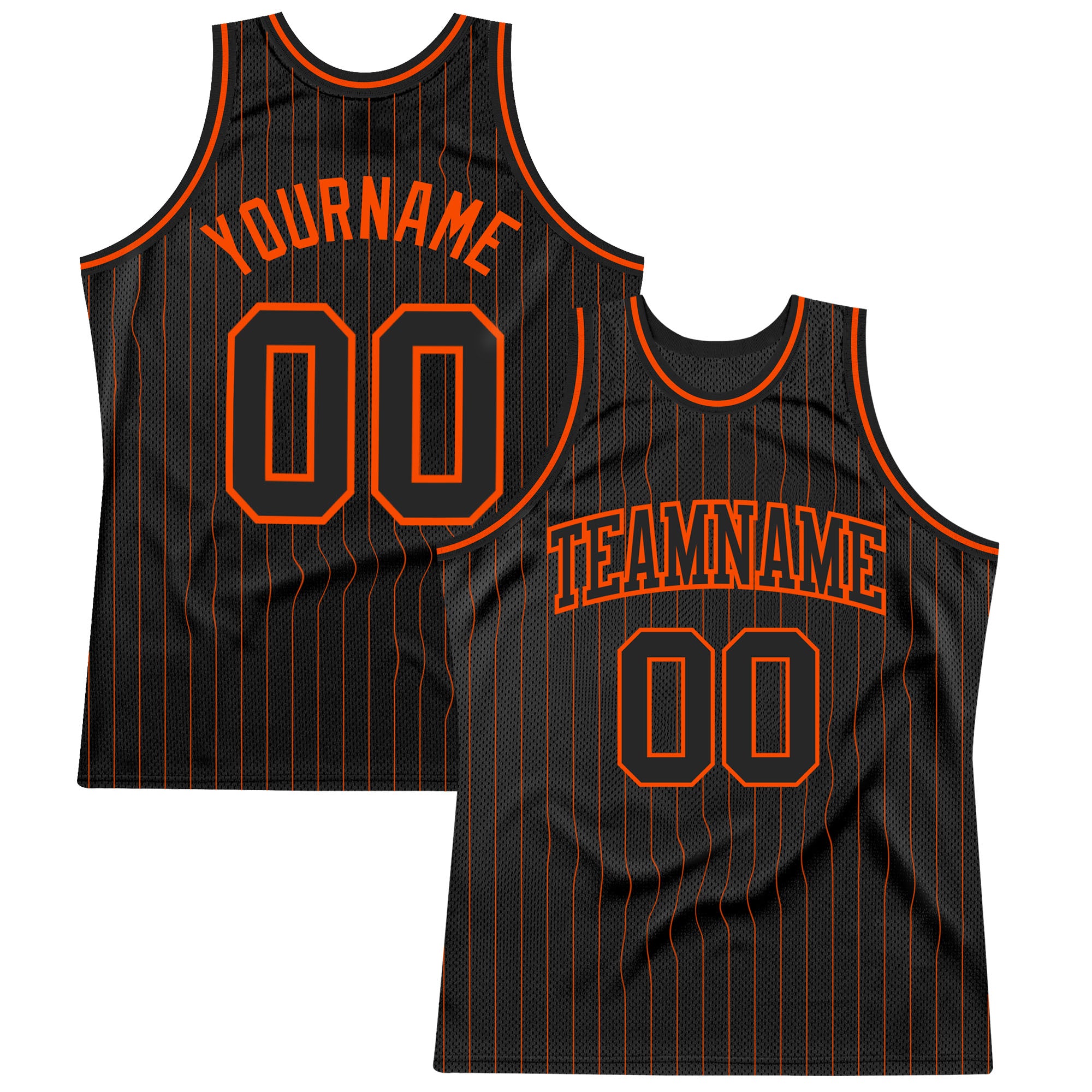
Yndy Designs Lifestyle & Fashion Jersey Design: The Intersection of Tradition, Technology, and Style

Jersey Design: The Intersection of Tradition, Technology, and Style

Jersey design is more than just a functional aspect of sportswear—it's a dynamic blend of tradition, technology, and personal expression. From humble beginnings as simple uniforms for athletes to the multi-faceted pieces of clothing they are today, jerseys have evolved into powerful symbols of identity, pride, and fashion. Whether worn on the field, at a game, or as a piece of streetwear, jerseys have transcended their practical purposes and are now cherished as essential cultural artifacts in sports and fashion.

The Evolution of Jerseys: From Practical Uniforms to Iconic Designs

The history of jersey design begins in the late 19th century when sports uniforms were a basic necessity. Early jerseys were made from wool or cotton and were designed purely for practicality. Their simple nature, often with no more than a number and a solid color, was intended for utility rather than aesthetics.

Over time, as sports gained popularity, especially with the rise of professional leagues, the need for more distinct and recognizable designs grew. Jerseys became not only a functional part of the athlete's attire but also a key element of team branding and identity. The introduction of color, patterns, and team logos turned jerseys into more than just uniforms—they became emblems of pride and community.

Modern Jersey Design: Balancing Functionality and Fashion

In today's world, jersey design is a sophisticated process that combines elements of performance, aesthetics, and cultural significance. While the core function remains to facilitate optimal performance, design considerations have grown to reflect the diverse needs of athletes, fans, and brands.

  1. Performance-Driven Design At its core, a jersey is designed to enhance an athlete’s performance. The fabric and fit must allow for unrestricted movement, while also keeping the athlete cool, dry, and comfortable. Modern jerseys are crafted from advanced materials such as polyester blends, Lycra, and spandex, which are lightweight, breathable, and moisture-wicking.

    These fabrics ensure athletes can maintain peak performance without being hindered by their clothing. For instance, mesh panels are often integrated into the design to increase airflow and reduce overheating during intense physical activity. This attention to fabric and material technology is critical in ensuring that jerseys remain functional under the stress of competitive sports.

  2. Aesthetic and Brand Representation The aesthetic aspect of jersey design has gained more prominence in recent decades. Jerseys are now seen as a way for teams and organizations to communicate their identity to the public. The colors, patterns, and logos on a jersey are all carefully chosen to represent the team's culture, history, and values. For example, the iconic red and black jerseys of the Chicago Bulls have become synonymous with the team's legacy and the larger-than-life persona of Michael Jordan.

    Beyond team identity, jersey designs often incorporate sponsor logos, which are strategically placed for maximum visibility. In professional sports, sponsorship deals are crucial sources of revenue, and the placement of logos must balance branding without detracting from the jersey’s overall aesthetic.

  3. Fashion Influence: From Field to Street Jersey design has also seen a significant crossover into the world of fashion. Once reserved for athletes, jerseys have become a staple of streetwear, influencing everyday clothing and trends. The global popularity of sports culture, especially basketball and soccer, has led to jerseys being worn outside of sports settings—on the streets, at concerts, and even as casual office wear.

    Fashion designers have embraced the aesthetic of jerseys, often incorporating sportswear influences into their collections. The bold patterns, oversized fits, and vibrant colors that are characteristic of jerseys are now sought-after styles for everyday wear. This shift has further blurred the lines between function and fashion, making jerseys not only practical but also a trendy and coveted item.

Key Elements of Jersey Design

The process of designing a modern jersey involves several elements that must work in harmony to create a visually appealing and functional product. The following key components are considered by designers when creating a new jersey:

  1. Color Scheme and Symbolism Colors are one of the most recognizable and influential elements in jersey design. The colors chosen for a team’s kit often reflect its ethos and history. For example, the deep green of the Boston Celtics symbolizes growth and energy, while the blue of the New York Yankees conveys stability and loyalty.

    Colors can also evoke specific emotions. Red is often associated with passion and power, while yellow signifies optimism and creativity. Designers carefully choose colors to ensure that the jersey not only looks good but also conveys the right message to fans.

  2. Logos and Graphics The logo of a team or brand is one of the most important aspects of jersey design. Logos are a symbol of identity and are usually placed on the chest or sleeve for maximum visibility. In addition to team logos, jerseys also feature sponsor logos, which are integrated into the design without overwhelming the main elements.

    Graphic design elements such as stripes, geometric patterns, or custom designs are also frequently used to add flair and uniqueness to a jersey. These elements might reference the team’s city or heritage, creating a deeper connection with fans and players alike.

  3. Typography and Numbering Typography plays a key role in jersey design. The font used for player names and numbers must be clear, legible, and align with the overall aesthetic of the design. The placement of the name and number is equally important. Typically, the player’s name is placed on the back, while their number is featured both on the front and back of the jersey.

    The design of the numbers and letters often ties into the team’s overall branding and logo. For example, some teams choose bold, futuristic fonts for a modern look, while others opt for traditional, classic typefaces to evoke a sense of history.

  4. Fit and Cut The fit of a jersey is essential for both performance and comfort. Sports jerseys are typically designed with a more fitted cut to ensure that they do not restrict movement, while also remaining sleek and aerodynamic. The jersey must allow athletes to perform at their best without distraction, but also be comfortable enough for fans to wear during leisure time.

    In terms of fan jerseys, the fit can vary. Many brands offer jerseys in various cuts, from slim-fit to oversized, allowing fans to choose based on personal style preferences. The versatility of modern jersey designs has helped them transcend sports settings and become casual fashion items.

Innovations Shaping the Future of Jersey Design

The future of jersey design is undoubtedly exciting, with several trends and technological advancements that are reshaping the way jerseys are conceived, produced, and worn:

  1. Sustainable Practices Sustainability has become a top priority in many industries, and the world of jersey design is no exception. As fans and consumers grow increasingly eco-conscious, many sportswear brands are turning to sustainable fabrics and production methods. Recycled polyester, organic cotton, and other environmentally friendly materials are now being used to create jerseys that are both functional and eco-friendly.

  2. Smart Jerseys The incorporation of technology into jersey design is another area of growth. Smart fabrics that can monitor an athlete’s performance—such as heart rate, body temperature, and muscle activity—are becoming more common. These wearable technologies provide real-time feedback, allowing athletes and coaches to adjust training and performance in more precise ways.

  3. Customization and Personalization As fans increasingly seek ways to express their individuality, customization has become a major trend in 足球波衫 . Fans can now easily personalize jerseys with player names, numbers, and even unique designs. This customization trend extends to the growing demand for one-of-a-kind, limited-edition jerseys that allow fans to connect with their teams in a more personal way.

  4. Interactive and Augmented Reality The future of jersey design could also involve the integration of augmented reality (AR) or interactive elements. Fans might be able to scan a jersey with a smartphone app to access exclusive content, such as player stats, historical moments, or live game feeds. These technological innovations could further enhance the experience of wearing or collecting a jersey.

Conclusion

Jersey design has evolved from its origins as a simple piece of sportswear to a complex fusion of fashion, technology, and identity. Today’s jerseys are symbols of passion and pride, representing teams, players, and communities across the globe. With advances in fabric technology, design aesthetics, and fan-driven customization, the future of jersey design looks brighter than ever. As both performance gear and streetwear staples, jerseys will continue to evolve, reflecting the changing landscape of sports, culture, and personal style.

Leave a Reply

Your email address will not be published. Required fields are marked *

Related Post

Achieve Your Best Skin With Botox and Aesthetic Services in DallasAchieve Your Best Skin With Botox and Aesthetic Services in Dallas

You’re tired of waking up to fine lines and wrinkles that make you look older than you feel. You’ve tried various skincare products, but they only seem to provide temporary relief. It’s time to consider a more effective solution. In Dallas, combining Botox with customized aesthetic services can transform your skin, reducing signs of aging and enhancing your natural features. But how does it work, and what’s involved in achieving your best skin? You’re about to discover the secret to a radiant, revitalized look that’s uniquely yours.

Understanding How Botox Works

As you consider Botox as a solution for your aesthetic concerns, it’s essential to understand how this popular treatment works.

Botox is a neuromodulator that temporarily relaxes facial muscles, reducing the appearance of fine lines and wrinkles. When you contract your facial muscles, they crease the skin, causing wrinkles.

Botox blocks the nerve signals that tell these muscles to contract, allowing the skin to smooth out.

During the treatment, a small amount of Botox is injected into the targeted area using a fine needle. You might feel a slight pinch, but it’s usually painless.

The procedure takes around 10-15 minutes, depending on the number of areas being treated. After the treatment, you can return to your daily activities immediately, with minimal downtime.

It may take a few days to a week to see the full effects, and the results typically last for 3-4 months.

Combining Botox With Other Treatments

You’ve probably wondered if Botox can be used in conjunction with other treatments to achieve even more remarkable results.

The answer is yes! Combining Botox with other aesthetic services can enhance its effects, addressing multiple concerns at once.

For instance, you can pair Botox with dermal fillers to tackle both dynamic wrinkles and static lines. This powerful combination can restore lost volume, smooth out deep creases, and rejuvenate your overall appearance.

When used with chemical peels or microdermabrasion, Botox can amplify the benefits of these exfoliating treatments.

By removing dead skin cells and promoting cell turnover, these treatments can help Botox penetrate deeper, leading to more effective and longer-lasting results.

Additionally, combining Botox with laser skin resurfacing can help reduce fine lines, wrinkles, and skin discoloration, resulting in a more radiant and youthful complexion.

Enhancing Facial Features Naturally

While pursuing a more youthful appearance, many individuals seek to accentuate their natural facial features without looking unnatural or overdone.

You want to enhance your unique characteristics, not alter them beyond recognition.

With Botox and aesthetic services in Dallas, you can achieve a refreshed, revitalized look that still feels like you.

Customized Skincare for Your Needs

With your unique skin type and concerns in mind, a customized skincare routine can make all the difference in achieving a radiant, healthy-looking complexion.

By identifying your specific skin concerns, such as acne, hyperpigmentation, or fine lines, our expert aestheticians can create a personalized skincare plan tailored to your needs. This might involve a combination of products containing active ingredients that address your specific concerns, along with guidance on how to use them effectively.

You’ll receive a thorough skin analysis to determine your skin type, tone, and concerns.

Based on this, we’ll recommend a customized skincare regimen that includes the right products, in the right order, to help you achieve your skin goals. Whether you’re looking to reduce the appearance of fine lines and wrinkles, even out your skin tone, or combat acne and hyperpigmentation, our customized skincare approach will help you get the results you want.

Maintaining Your New Radiant Look

A skincare routine’s success hinges on consistency, and maintaining your new radiant look requires a commitment to your customized plan.

You’ve invested time and effort into achieving the glowing complexion you’ve always wanted, and now it’s crucial to sustain it.

To keep your skin looking its best, you’ll need to stick to your daily skincare regimen, using the products recommended by your aesthetician.

Don’t skip sunscreen, moisturizer, or exfoliant – each plays a vital role in maintaining healthy, vibrant skin.

Additionally, schedule regular follow-up appointments with your aesthetician to monitor your progress and make any necessary adjustments to your plan.

Conclusion

You’ve taken the first step towards achieving your best skin. By combining Botox with customized skincare routines, you’ll be on your way to a refreshed, revitalized look that still feels natural. Remember to maintain your new radiant skin with regular follow-ups and adjustments to your daily regimen. With expert guidance, you’ll enjoy a smoother, brighter complexion that turns heads. Now, go ahead med show off your newfound confidence!

Unearth Hidden Profits The Ultimate Guide to Sourcing Premium Wholesale VintageUnearth Hidden Profits The Ultimate Guide to Sourcing Premium Wholesale Vintage

The fashion landscape is shifting. Gone are the days when new was the only desirable option. Today, a powerful movement towards sustainability, individuality, and unique style has propelled the demand for vintage clothing to unprecedented heights. For retailers, boutique owners, and online sellers, this isn’t just a trend; it’s a lucrative business opportunity. Tapping into the wholesale vintage clothing market allows you to offer customers something they crave: authentic, one-of-a-kind pieces with a story. This market transcends fast fashion, appealing to eco-conscious consumers and style pioneers alike. Building a successful enterprise in this niche, however, requires knowledge, a reliable sourcing strategy, and an understanding of what makes a garment truly valuable.

The Resurgence of Retro: Why Vintage is a Viable Business Model

The appeal of vintage is multifaceted, driven by both cultural shifts and practical economic factors. Consumers are increasingly disillusioned with the environmental toll of fast fashion—the waste, the pollution, the relentless cycle of consumption. Vintage clothing offers a sustainable alternative, promoting the circular economy by giving pre-loved garments a new life. This ethical standpoint is a powerful marketing tool that resonates deeply with a modern audience. Furthermore, in an era of mass production, individuality is a prized commodity. Vintage pieces allow people to express their personal style in a way that off-the-rack new clothing simply cannot. They are wearable history, each item carrying the aura of a past decade, from the bold prints of the 70s to the minimalist grunge of the 90s.

From a business perspective, the margins on well-curated vintage can be significantly higher than those on new garments. A unique deadstock band t-shirt or a pristine vintage designer dress can command a premium price from the right buyer. The key is curation and quality. This is where partnering with a professional vintage clothing supplier becomes critical. They handle the immense logistical challenges of sourcing, sorting, grading, and cleaning vast quantities of used clothing, allowing you, the retailer, to focus on merchandising and sales. Instead of sifting through unreliable lots, you receive pre-vetted, on-trend bundles ready for your retail floor or online storefront, ensuring a faster inventory turnover and a stronger brand reputation for quality.

Navigating the Supply Chain: From Bulk Lots to Curated Collections

Sourcing bulk vintage clothes is the foundation of a wholesale business, but it’s a process fraught with complexity. The journey of a vintage garment from a collection bin to a retail rack is meticulous. It begins with massive volumes of secondhand clothing, often imported or domestically collected in tonnes. The first step is sorting, a skilled task where workers separate wearable fashion from unwearable textiles (which are then recycled). The wearable portion is further graded based on condition, quality, and era. This is the most crucial stage; a keen eye is needed to identify hidden gems amidst the ordinary.

After sorting, items undergo a rigorous cleaning and repair process. Stains are treated, minor repairs are made, and each piece is sanitized to meet retail standards. This transformation is what separates a professional wholesale operation from a mere ragpicker. The final step is baling or bundling. Some suppliers sell by the kilo in massive, unsorted bales—a high-risk, high-reward option suited for sorters with deep knowledge. However, for most retailers, buying curated second hand clothing wholesale bundles by category, size, or style is the most efficient and profitable method. For instance, a bundle might contain 50 pre-vetted, high-quality denim jackets from the 80s and 90s, or a collection of vintage graphic tees. This method reduces risk, saves time, and ensures a consistent quality that you can build your business upon. For those targeting a high-end market, seeking out a specialized branded vintage wholesale supplier is essential for accessing coveted labels from decades past.

Building Your Vintage Brand: Strategies for Retail and Online Success

Once you have a reliable pipeline for used clothes in bulk, the next step is building a brand that attracts and retains customers. Your curation is your identity. Will you focus on a specific era, like 1970s bohemia or 1990s streetwear? Perhaps you will specialize in a category, such as vintage band merchandise or high-end designer pieces. Defining your niche helps you stand out in a growing market and attract a dedicated customer base. Your sourcing should directly support this brand identity. A supplier that offers a wide range of well-sorted products is invaluable, allowing you to consistently stock the specific styles your customers desire.

The presentation is equally important. Unlike new clothing, vintage items often benefit from storytelling. Use your product descriptions to highlight the era, the unique features, and the condition of the garment. High-quality photography that captures details, tags, and any slight flaws is non-negotiable for building trust, especially in online sales. For brick-and-mortar stores, creating an immersive experience through store design and music can transport customers and enhance the perceived value of your pieces. Whether you are a physical boutique in Los Angeles or an online store sourcing ropa vintage al por mayor for a global audience, the principles remain the same: unique product, consistent quality, and compelling presentation. Establishing a partnership with a top-tier bulk vintage clothes supplier provides the foundation upon which all these successful strategies are built, ensuring your inventory is always on-point and your business can scale effectively.

Blog

Exploring Modern Printing Technologies: A Complete GuideExploring Modern Printing Technologies: A Complete Guide

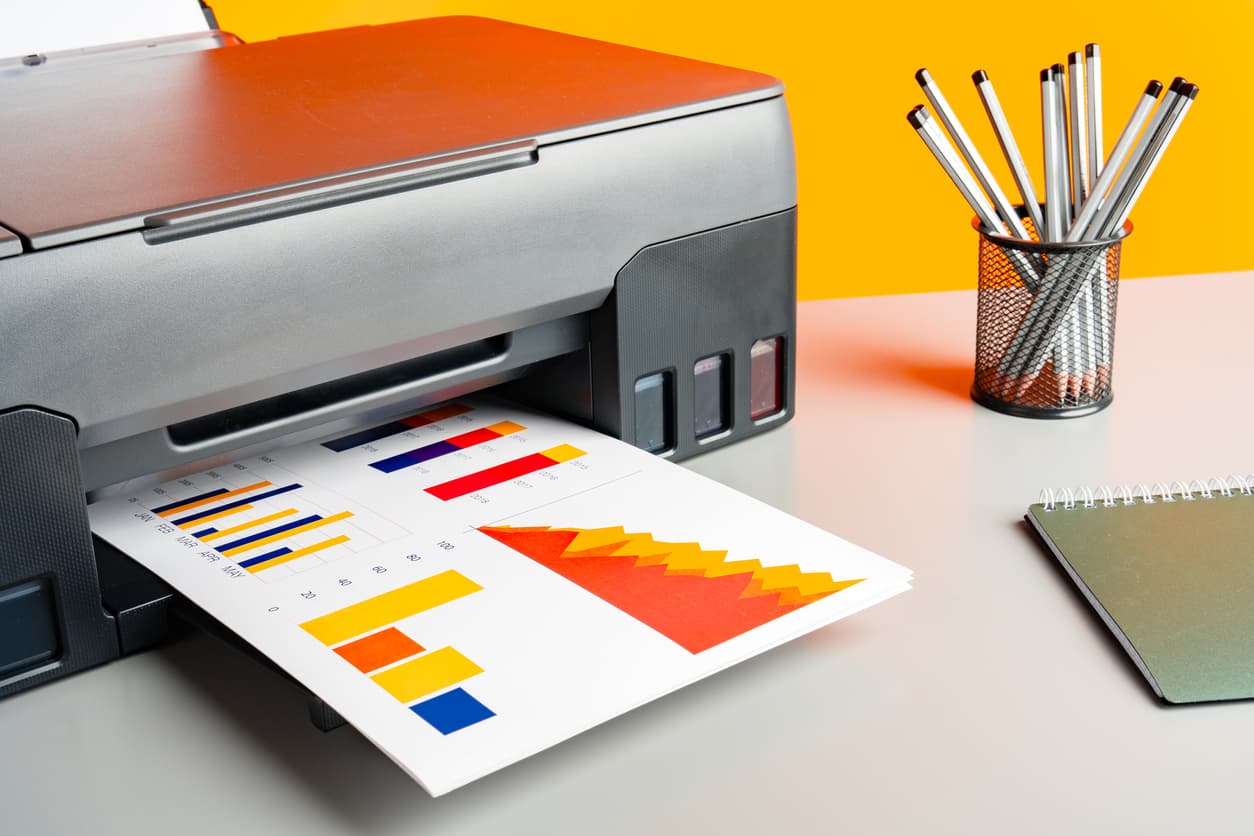
Printing has evolved significantly over the years, with advancements in technology making it more efficient and accessible. Whether for personal use, business applications, or industrial production, modern printing technologies cater to various needs. This guide explores different printing techniques, their advantages, and the latest innovations shaping the industry.

Major Printing Technologies

Understanding different printing technologies helps in selecting the best method for specific needs. Here are some of the most popular printing techniques:

1. Inkjet Printing

Inkjet printers spray tiny droplets of ink directly onto paper. They are widely used for both home and office printing.

Advantages:

  • High-quality color output

  • Affordable initial investment

  • Versatile for various media types

2. Laser Printing

Laser printers use toner and a laser beam to create precise images, making them ideal for high-volume document printing.

Advantages:

  • Faster printing speed

  • Lower cost per page for bulk printing

  • Smudge-resistant prints

3. Offset Lithography

Offset printing is the go-to choice for mass printing, using plates to transfer ink onto a rubber blanket and then onto paper.

Advantages:

  • Cost-effective for large-scale printing

  • Consistent high-quality output

  • Supports various paper types

4. Flexographic Printing

Commonly used for packaging and labels, flexographic printing uses flexible plates to transfer ink onto a variety of materials.

Advantages:

  • High-speed production

  • Works on flexible and non-porous materials

  • Cost-efficient for large print runs

5. Screen Printing

Screen printing involves pushing ink through a stencil to create designs, often used on textiles, glass, and promotional items.

Advantages:

  • Long-lasting and durable prints

  • Ideal for bold and vibrant colors

  • Works on a wide range of surfaces

6. 3D Printing

3D 橫額 creates physical objects layer by layer using materials like plastic, metal, and resin.

Advantages:

  • Customizable production

  • Ideal for prototyping and manufacturing

  • Reduces material waste

The Future of Printing

With technological advancements, the printing industry is continuously evolving. Some emerging trends include:

  • Eco-Friendly Printing: Adoption of sustainable materials and biodegradable inks.

  • AI and Automation: Enhancing efficiency and reducing human intervention.

  • Hybrid Printing: Combining traditional and digital printing techniques for better results.

  • Personalized Printing: Growth in custom-printed products for marketing and personalization.

Conclusion

Printing technology has come a long way, offering various solutions to meet different needs. Whether you need high-volume production or specialized custom prints, modern printing methods provide efficiency, quality, and sustainability. Staying updated with the latest trends ensures that you can make the most of available printing innovations.

The Evocative Great Power Of Perfume Enhancing Personality And MemoryThe Evocative Great Power Of Perfume Enhancing Personality And Memory

The earthly concern of perfume is a enchanting realm that has delighted humans for centuries. Perfumes pass ordinary experience, transporting us to different places, multiplication, and states of mind with their remindful scents. A mere sniff out of a specific scent can suggest fresh emotions, trigger saturated memories, and profoundly determine our mood and mind-set. Each perfume contains a intermingle of various essences plagiarized from natural or synthetic sources, crafted to create a signature perfume that is a unusual work of sensory system art.

Perfume has been telling stories throughout account. In antediluvian times, populate used perfumes for ritualistic and spiritual ceremonies, believing the redolence to induce spiritual experiences. In those multiplication, cancel ingredients like spices, flowers, and herbs were primarily used in producing scent. The science of perfumery, ab initio a worthy art, bit by bit transformed into a lucrative trade with civilizations like the Greeks, Romans, Persians, and Arabs developing intellectual techniques of scent extraction and shading.

In the Bodoni world, perfume continues to be an integral part of our lives. It plays a crucial role in subjective training and is well-advised a symbolisation of mundaneness and . Perfumes can exaggerate our personality and suffice as a powerful sensitive of personal verbal expression. Some individuals even have a’signature scent’ that becomes an telephone extension of their personal identity, subtly communication their taste and to others.

Apart from personal verbalism, scent has a unique ability to set off memories. Our feel of smell up is connected direct to the limbic system in the brain, the area responsible for retention and emotions. This makes olfactory experiences extremely potent in recalling past experiences and emotions. Have you ever had a bit where you faintly smelled something, and it instantly took you back to a specific bit in time or reminded you of someone special?

Perfume industry nowadays is a multi-billion-dollar manufacture, with unnumberable brands offer a 10000 of scents. However, the soul of perfume lies not in the nursing bottle or the denounce, but in the unusual go through each scent fosters. Choosing a perfume is a personal journey, a work on of discovering a ادکلن لالیک that resonates with your personality or the memories you wish to . It is about finding a redolence that speaks to you, enchants you, and becomes a part of who you are.

In termination, the power of perfume is immersive and deep. It enhances our personality, provokes emotions, revives memories, and provides a deep sense of with our past and our present. Using scent is much more than wear a nice perfume; it is embracement an creator verbalism that connects us to our senses. In its essence, perfume is a love letter to the feel of smell: an suggest, sensory undergo that celebrates the ravisher of fragrances and their world power to transform our workaday experiences.

From Framework To Fashion: Trace The Travel Of Article Of Clothing And Its Unplumbed Influence On Human Being CivilizationFrom Framework To Fashion: Trace The Travel Of Article Of Clothing And Its Unplumbed Influence On Human Being Civilization

Clothing, an necessity element of man life, is more than just a usefulness essential it is a dynamic reflectivity of account, identity, , and invention. From the earliest woven fabrics of antediluvian civilizations to the haute runways of now, the organic evolution of article of clothing tells the complex news report of world s progress. The travel from fabric to fashion encapsulates thousands of geezerhood of mixer transmutation, economic development, creator expression, and field of study furtherance.

The Origins: Function Meets Innovation

The story of clothing begins with natural selection. Early man fashioned garments from beast skins, bark, and plant fibers to protect themselves from the . These primitive person outfits were sewn together with bone needles and sinew, demonstrating early on human cleverness. As husbandry developed and societies became more settled, textile product emerged as a life-sustaining industry.

Ancient civilizations like those in Mesopotamia, Egypt, and the Indus Valley fibers such as flax and to make linen paper and cotton fabrics. In China, sericulture gave rise to silk weaving a indulgent art that would later cover continents via the Silk Road. These developments noticeable the commencement of clothing as both a realistic and symbolic tool, distinguishing mixer status, taking possession, and religious tie-up.

Cloth as Currency and Cultural Exchange

Textiles soon became a form of currency and a mighty vehicle for appreciation exchange. The Silk Road not only transported silk and spices but also unfold ideas, styles, and techniques across Asia, the Middle East, and Europe. The world-wide trade in in textiles influenced local anaesthetic dress codes, introduced new materials, and encouraged the borrowing of decorative methods such as dyeing, fancywork, and weaving.

In nonmodern Europe, guilds and merchant classes restricted the production and distribution of cloth, while restrictive laws thermostated who could wear what, based on assort. Clothing became a ocular code an verbalism of great power and personal identity.

The Industrial Revolution: Democratizing Fashion

The 18th and 19th centuries brought impressive transfer with the onset of the Industrial Revolution. The invention of the spinning William Le Baron Jenny, the world power loom, and other fabric machinery revolutionized framework product. Mass manufacturing meant that habiliment, once a opulence for the elite group, became more and more available to the wider public.

This time period also marked the birth of the fashion manufacture as we know it. Department stores, standardized size, and gear up-to-wear garments changed how populate shopped and treated. Fashion magazines emerged, setting trends and reinforcing social norms. Clothing became both an individual selection and a commercial message production bridging personal individuality and mass culture.

Twentieth-Century Fashion: Expression and Rebellion

The 20th century saw forge become a form of mixer and profession verbal expression. Hemlines rose and fell with women’s release movements; suits became a symbolization of corporate identity; subcultures like punk, hip-hop, and dirt challenged mainstream esthetics. Designers like Coco Chanel, Christian Dior, and Alexander McQueen transformed wearable into high art, fusing custom with avant-garde excogitation.

Technological advances in synthetic substance fibers, global , and fast manufacturing allowed trends to spread rapidly. With television system and later the internet, fashion reached every of the worldly concern, becoming a right cultural force and a multibillion-dollar manufacture.

Today and Tomorrow: Sustainability and Digital Fashion

In the 21st , forge stands at a . While fast fashion has made trends more available than ever, it has also led to environmental and ethical concerns. The industry is the second-largest polluter globally, suggestion a push for property materials, ethical labour practices, and throwaway economies.

Simultaneously, integer engineering is reshaping the fashion landscape. Virtual try-on suite, AI-generated designs, and digital-only garments are revolutionizing how we interact with article of clothing. Fashion is not just what we wear, but how we undergo and give tongue to ourselves in both physical and practical spaces.

Conclusion

The journey from fabric to fashion mirrors humans s evolution our struggles, aspirations, and fictive spirit up. activewear is a sustenance artefact, one that continues to conform and redefine itself alongside civilisation. As we face time to come challenges and innovations, fashion will remain a powerful lens through which we sympathize ourselves and the world around us.